
'This is really getting real.' NASA's Artemis 2 moon rocket fueling test went so well, astronauts could…
Space.com
by Mike Wall February 20, 2026
AI-Generated Deep Dive Summary
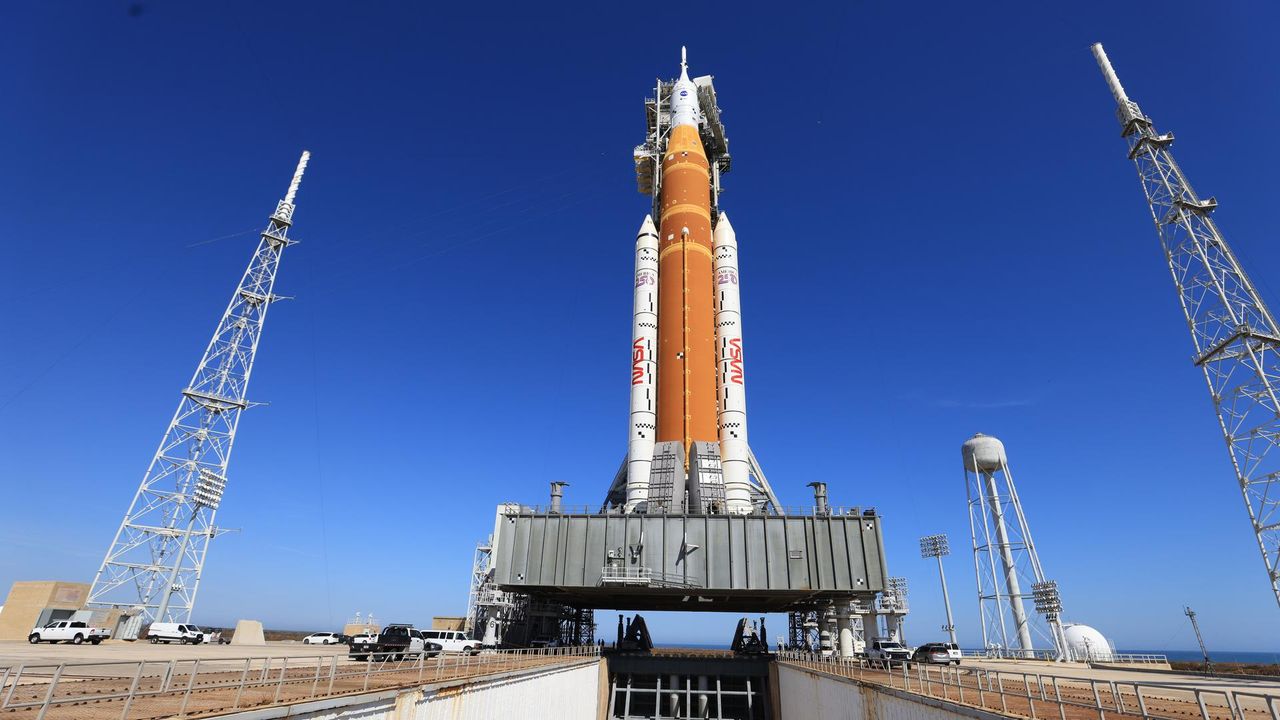
NASA's Artemis 2 mission is gearing up for a historic launch after a successful wet dress rehearsal (WDR) at its Florida launch site. The test run, which concluded on February 20, marked a major milestone for the crewed moon mission, with officials declaring it "extremely well executed." This comes after delays caused by a hydrogen leak during an earlier WDR in January. The recent success has set the stage for Artemis 2 to potentially launch as early as March 6, marking the first human journey beyond low Earth orbit in over five decades.
The WDR involved fueling NASA's powerful Space Launch System (SLS) rocket with nearly three-quarters of a million gallons of super-cold liquid hydrogen and oxygen. The test included running through the countdown clock twice, reaching T-33 seconds and then resetting to simulate real launch conditions. Engineers also successfully tested new seals at a problematic interface that had caused issues during the first WDR. These changes appear to have resolved the recurring leak issue, which had plagued earlier attempts.
While the WDR went smoothly, there are still final preparations needed before Artemis 2 can be officially cleared for liftoff. This includes installing two "contingency pad access" trusses on the mobile launch tower to test the flight termination system. These steps will allow mission managers to ensure all safety systems are functioning as intended. The next major milestone will be a comprehensive flight readiness review, expected later in the week.
The Artemis 2 mission is set to send four astronauts—Reid Wiseman, Victor Glover, Christina Koch, and Jeremy Hansen from the Canadian Space Agency—on a 10-day journey around the moon and back to Earth. The crew did not participate directly in this week's WDR but were present for the proceedings and expressed their excitement about the potential March launch. Their upcoming mission represents a significant step forward in humanity's return to deep space exploration, building on the successes of Artemis 1 and paving the way for future lunar missions
Verticals
spacescience
Originally published on Space.com on 2/20/2026