
This simple 3-step workflow makes complex 3D scenes manageable
Creative Bloq
by Stefano Federico February 24, 2026
AI-Generated Deep Dive Summary
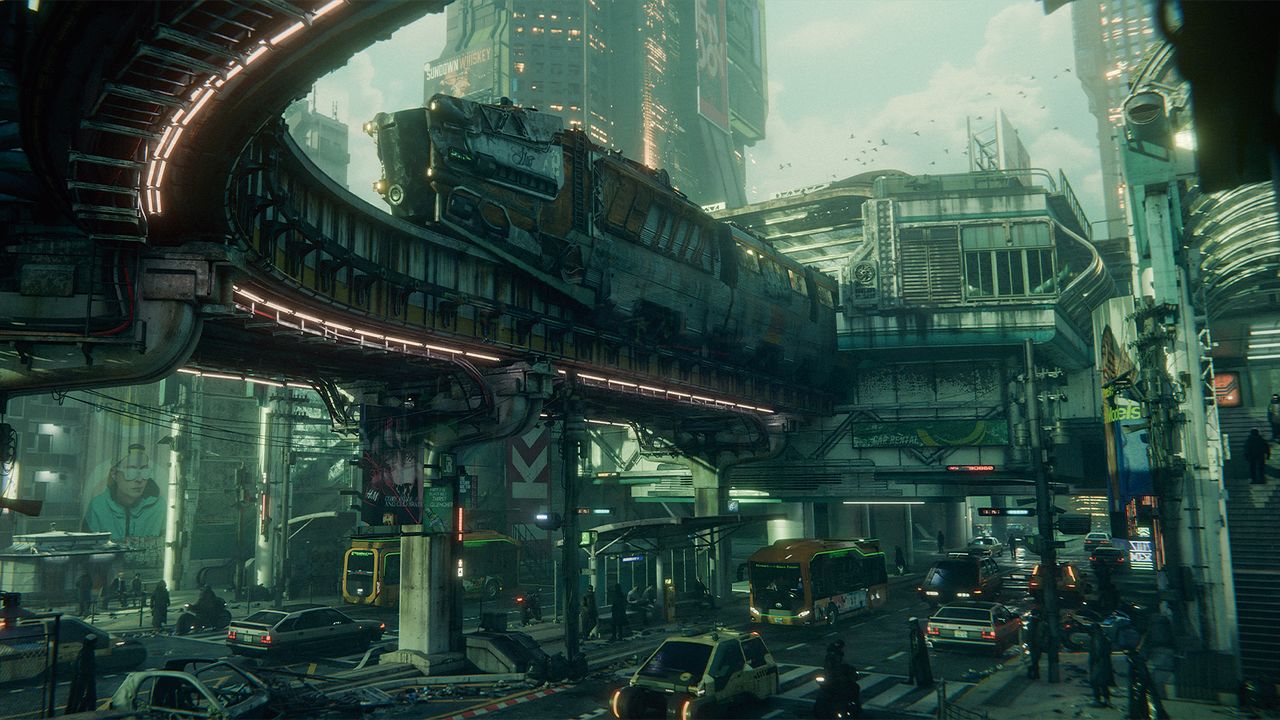
This article introduces a streamlined 3-step workflow for creating complex 3D scenes without overwhelming visual details early on. The approach emphasizes clarity, efficiency, and balance, making it easier for designers to manage intricate environments while avoiding "visual noise." By breaking down the process into manageable stages—blockout sketching, composition and asset creation, and set-dressing—the method ensures flexibility and focus at each stage of development.
The first step involves blockout sketching, which prioritizes rough placement and layout without detailed work. This phase focuses on establishing human scale and realistic proportions for architectural elements, allowing for experimentation in composition and design later. By keeping the initial stage simple, creators can avoid getting bogged down by unnecessary details and instead concentrate on the overall structure and flow of the scene.
In the second step, the emphasis shifts to designing and refining key assets. This involves creating hero assets separately and integrating them into the main 3D scene once their design is finalized. By working in separate files, creators maintain a lightweight and responsive main scene, which helps prevent slowdowns during iteration. Additionally, establishing the primary camera angle and lighting early on ensures consistency and sets the tone for the final product.
The third step focuses on set-dressing and refinement, where extra details are added to enhance environmental storytelling without overwhelming the viewer. This phase balances high-density details with rest areas, ensuring that the scene remains readable and cohesive. Tweaks to lighting and color can be made in post-processing to further refine the visual impact of the design.
For designers and artists working on large-scale projects, this workflow matters because it provides a structured approach to managing complexity. By breaking down the process into digestible steps, creators can maintain clarity and flexibility at each stage, ultimately leading to more cohesive and compelling final products. This method is particularly valuable for those working in concept art or 3D modeling, where balancing detail with readability is key to creating believable and engaging environments.
Verticals
designart
Originally published on Creative Bloq on 2/24/2026