
Toilet trouble aboard US aircraft carrier: Troops feel the 'pressure' as Trump vows to flush out Khamenei regime
Times of India
by TOI WORLD DESKFebruary 24, 2026
AI-Generated Deep Dive Summary
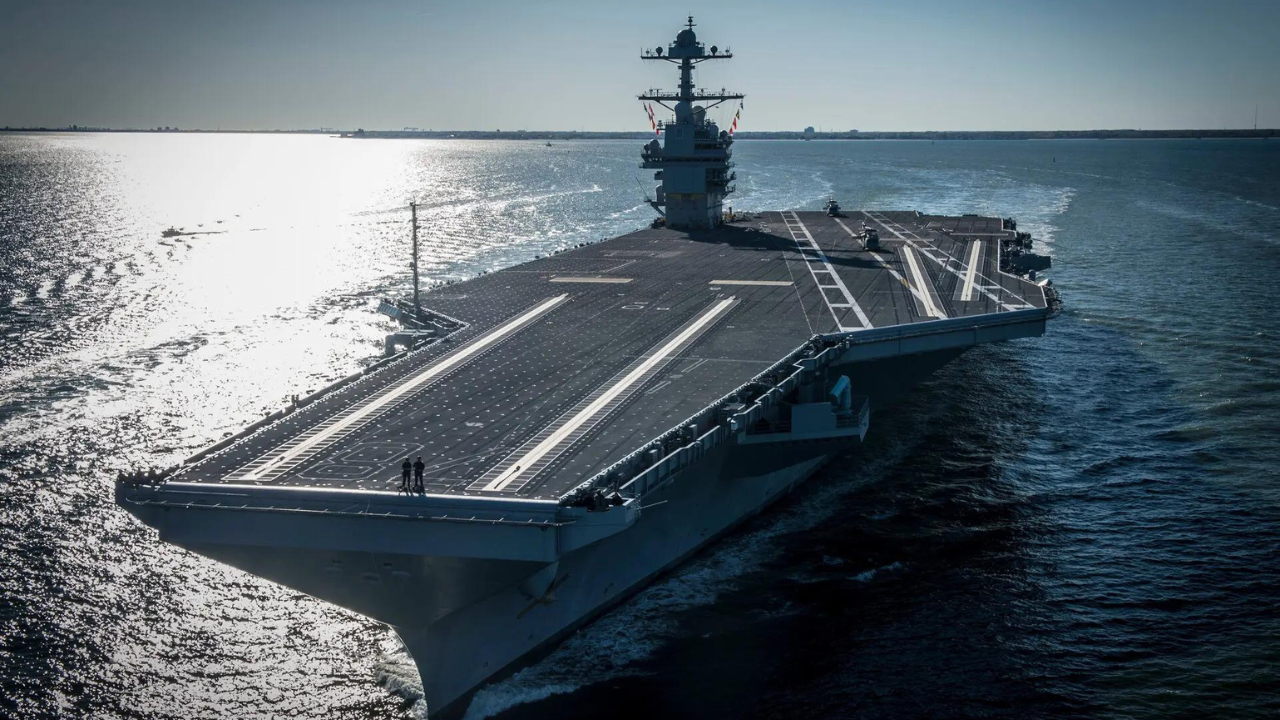
The USS Gerald R. Ford, the most advanced aircraft carrier in the US Navy, is facing a surprising challenge: chronic sewage system failures during its deployment in the Middle East. Despite its $13 billion cost and cutting-edge technology, the ship’s vacuum-based sewage network has struggled with clogs, leaks, and breakdowns due to narrow pipes that can’t handle waste from its 4,600-person crew. Over a four-day period, Navy engineers reported 205 sewage-related issues, requiring extended shifts to manage. The problems have persisted since 2017, with specialized acid flushes costing $400,000 each and external technical support called in over 42 times since 2023.
The recurring malfunctions have added strain on the crew, who are already dealing with an extended deployment—one of the longest continuous missions in Navy history. The USS Ford’s issues come amid heightened tensions with Iran, as President Trump has vowed to address Tehran’s nuclear program and increase US military presence in the region. While the Navy claims operational readiness remains unaffected, critics question how sustained system failures on such a crucial asset could impact morale during prolonged operations.
The situation highlights broader concerns about the preparedness of advanced naval systems for real-world challenges. As the USS Ford continues its mission near the Middle East, its ability to maintain full operational capacity is critical in a region where US-Iran relations are increasingly tense. The ongoing sewage issues serve as a reminder that even the most sophisticated ships can face unexpected vulnerabilities, raising questions about readiness and crew welfare in high-stakes environments.
Verticals
worldasia
Originally published on Times of India on 2/24/2026