
Total lunar eclipse March 2026: Live updates
Space.com
by Daisy Dobrijevic February 23, 2026
AI-Generated Deep Dive Summary
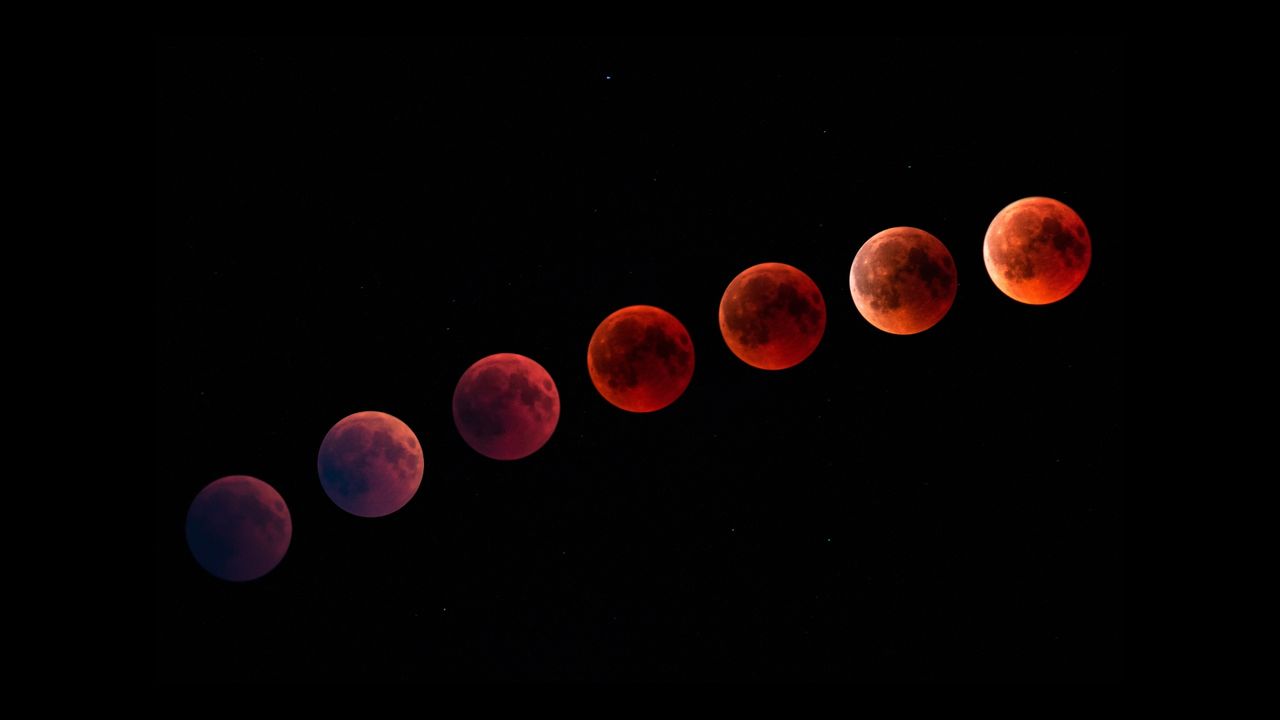
The next total lunar eclipse, often referred to as a "blood moon," will occur overnight on March 2-4, 2026. This event marks the first lunar eclipse of the year and is set to be visible across North America, with partial phases also observable in parts of South America, Europe, and Asia. What makes this eclipse particularly notable is that it will be the last total lunar eclipse visible anywhere on Earth until late 2028-2029. This rare occurrence offers stargazers a unique opportunity to witness the striking "blood moon" effect, where the Moon turns a deep reddish hue due to Earth's shadow casting a darkened glow over its surface.
The alignment of celestial bodies for this eclipse is a masterclass in orbital mechanics. During a total lunar eclipse, the Sun, Earth, and Moon align perfectly, with the Moon passing directly into Earth's shadow. This phenomenon creates the dramatic "blood moon" effect, which happens when sunlight filtered through Earth's atmosphere casts a reddish tint on the Moon. The color variation can range from bright copper to deep crimson, depending on atmospheric conditions at the time of the eclipse.
The eclipse will be visible to billions across the Americas, Asia, and Oceania, making it one of the most widely observed events of its kind in recent years. For those in North America, this will be a once-in-a-decade opportunity to witness such an event, with the next total lunar eclipse not occurring until New Year's Eve 2028-2029. This extended gap between total lunar eclipses makes the March 2026 event even more special for astronomy enthusiasts.
For space and science enthusiasts, this eclipse offers a chance to witness a natural wonder that has captivated humanity for centuries. It also provides an opportunity to engage with the scientific principles behind eclipses, such as orbital alignment and atmospheric scattering of light. For photographers and amateur astronomers, the blood moon presents a unique challenge and reward, offering stunning visuals that are perfect for capturing on camera or simply marveling at in person.
In summary, the March 2-4,
Verticals
spacescience
Originally published on Space.com on 2/23/2026