
Trump announces new 10% global tariff after Supreme Court ruling: What are Sections 122, 232 and 301? Explained
Times of India
by TOI WORLD DESKFebruary 20, 2026
AI-Generated Deep Dive Summary
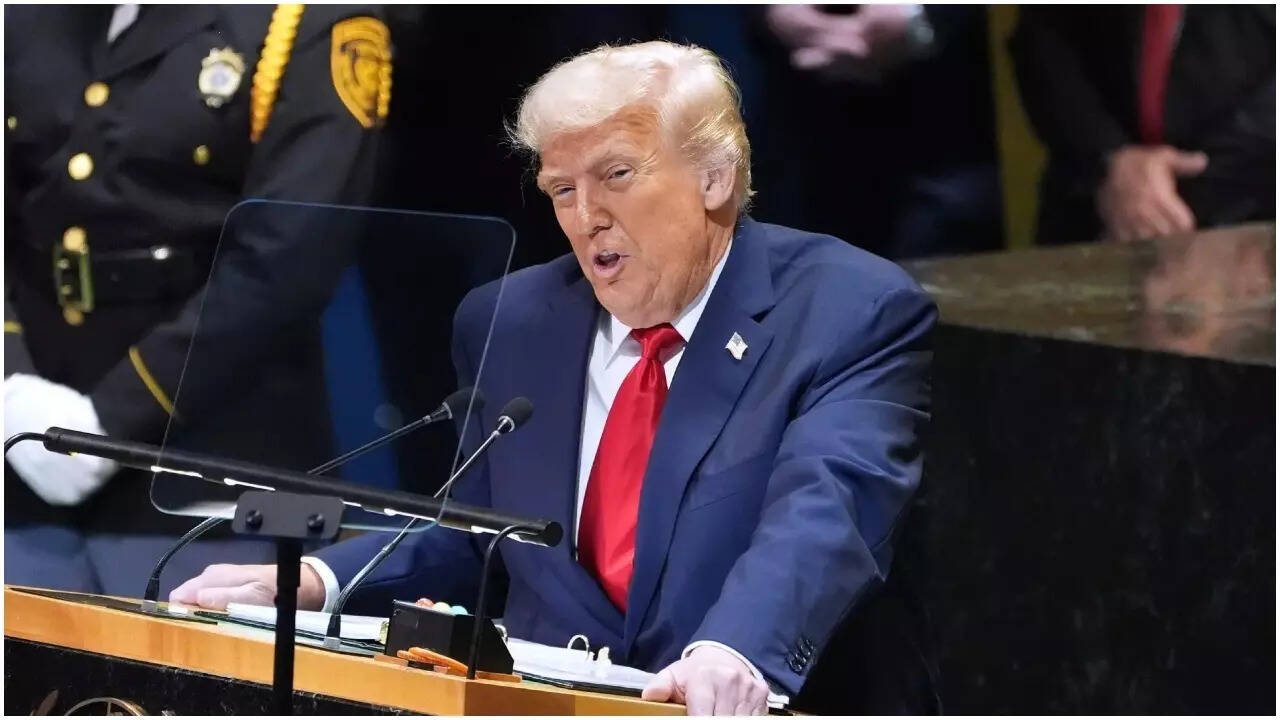
US President Donald Trump has announced new measures to impose a 10% global tariff on imports following a Supreme Court ruling that invalidated his previous attempts to do so under emergency powers. The move marks a significant shift in trade policy, with Trump relying on alternative legal authorities to bypass the court's decision. He plans to use Section 122 of the Trade Act of 1974 to impose this new tariff, which could remain in place for up to 150 days unless Congress intervenes. Additionally, existing tariffs under Sections 232 and 301 will stay in effect, targeting national security threats and unfair trade practices.
Section 122 allows the president to address "large and serious" balance-of-payments deficits by imposing tariffs of up to 15%. These tariffs are distinct from the baseline 10% global tariff Trump previously implemented and align closely with his prior trade agreements. While this approach maintains some continuity, it also raises questions about how long these additional tariffs can remain in place without congressional approval.
Sections 232 and 301 have played a crucial role in Trump's trade strategy. Section 232 was used to impose 25% tariffs on steel and 10% tariffs on aluminum, targeting national security threats posed by imports from countries like Canada, Mexico, and the EU. These measures remain intact despite the Supreme Court ruling. Meanwhile, Section 301 has been instrumental in addressing unfair foreign trade practices, such as intellectual property theft and forced technology transfers, particularly in relation to China.
The implications of these actions are far-reaching. The court's decision could lead to renegotiations or challenges from trading partners like China, Canada, and the UK. This uncertainty may disrupt ongoing trade negotiations and strain international relations. As countries reassess their positions in light of the ruling, global trade dynamics could undergo significant changes.
In a broader context, Trump's reliance on these alternative legal tools highlights the complexities of US trade policy and its potential impact on
Verticals
worldasia
Originally published on Times of India on 2/20/2026