
Trump says US government will declassify its UFO files. Will we actually learn anything this time, or is this a…
Space.com
by Brett Tingley February 20, 2026
AI-Generated Deep Dive Summary
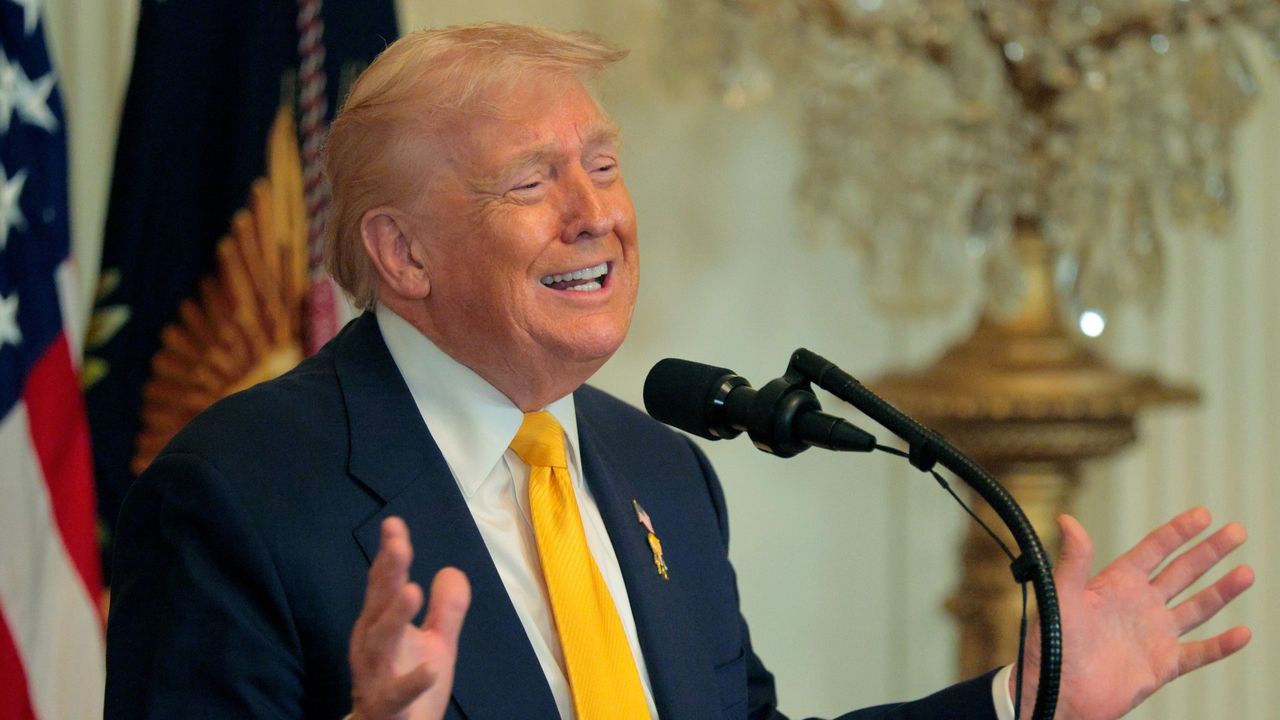
U.S. President Donald Trump has announced plans to declassify government files related to UFOs (Unidentified Aerial Phenomena, or UAP), extraterrestrial life, and other connected matters. This move follows several previous transparency initiatives under his administration, including efforts to release documents on historical events like the assassinations of John F. Kennedy and Martin Luther King Jr., as well as materials related to Jeffrey Epstein. While Trump's commitment to transparency is notable, experts caution that past declassifications have often resulted in heavily redacted or withheld information due to national security concerns.
Micah Hanks, a researcher on UFOs and U.S. intelligence, notes that even with official orders, much of the documentation may remain hidden or partially released. This is partly because sensitive technology details—such as satellite capabilities or aircraft sensor data—could be compromised if fully revealed. Similarly, past declassifications, including those related to JFK and Epstein, have shown a pattern of significant redactions or outright withholding of critical information.
For space enthusiasts and researchers, the potential release of UFO files could provide valuable insights into unidentified aerial phenomena, which have long intrigued scientists and the public alike. However, as Hanks points out, it remains uncertain whether this effort will yield any groundbreaking evidence of extraterrestrial visitation or reveal new details about alleged alien skeletons. Mick West, a science writer and skeptic, expressed cautious optimism, stating that while he would be delighted to see evidence of aliens emerging from the files, past history suggests otherwise.
Despite Trump's promises, the reality is that national security concerns and bureaucratic processes often limit the extent of declassification. This means that even if new UFO-related information is released, it may not significantly advance our understanding of these phenomena or provide definitive proof of extraterrestrial life. While the announcement marks a step toward greater transparency, it also underscores the challenges of balancing openness with national security interests.
In summary, Trump's decision to declassify UFO files represents a significant but potentially limited move toward transparency. While the release could offer intriguing insights into UAP and related topics, readers interested in space and science should remain realistic about what might be revealed. The focus on transparency aligns with his administration's broader efforts to promote openness, yet the practical outcomes may fall short of expectations due to ongoing constraints.
Verticals
spacescience
Originally published on Space.com on 2/20/2026