
Trump to raise tariff to 15% or more for some; no hike for China, countries with trade deals to be ‘accommodated’
Times of India
by TOI BUSINESS DESKFebruary 26, 2026
AI-Generated Deep Dive Summary
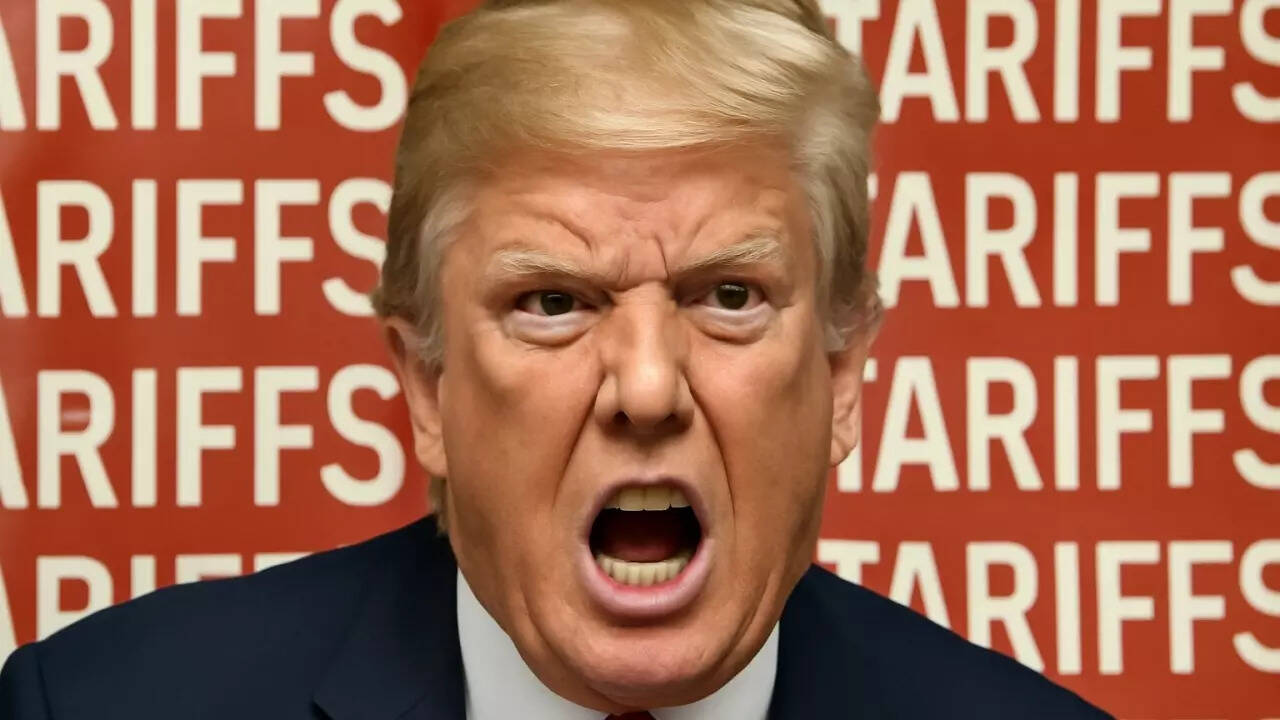
The Donald Trump administration is set to increase tariffs on certain countries from the current 10% rate to 15%, with some potentially facing even higher rates, while China and other nations with trade agreements will not see an escalation in their tariff levels. US Trade Representative Jamieson Greer revealed that this move aligns with recent legal developments, such as the Supreme Court ruling invalidating previous emergency tariffs. The new tariffs aim to target countries engaging in unfair trade practices, including those accused of forced labor, subsidies for specific industries, and discriminatory treatment of US technology companies.
Greer emphasized that these measures will be implemented through proper legal procedures, acknowledging that they often face challenges in court. He highlighted the administration's focus on Section 301 investigations to address issues like excess industrial capacity and unfair trade practices. While Greer did not specify which countries would be affected, he noted that China and Vietnam are under scrutiny due to their surplus industrial capacities. However, the administration has committed to maintaining the current trade truce with China, avoiding any significant escalation in tariffs.
The proposed increases reflect a selective approach, with certain countries being "accommodated" based on existing trade agreements. Greer also referenced Section 338 of the Tariff Act of 1930, which allows for up to 50% tariffs on imports from nations that treat US trade less favorably than other countries. This provision underscores the administration's willingness to take stronger action against unfair trade practices.
This decision is significant as it reflects Trump's broader strategy to renegotiate international trade relations and address what the administration perceives as imbalances. By selectively raising tariffs, the US aims to pressure countries into more favorable trade terms while maintaining stability in key relationships, particularly with China. However, the potential legal challenges and diplomatic repercussions highlight the complexities of this approach.
For readers interested in global trade dynamics, this shift underscores the ongoing tensions between the US and other nations over trade practices. The administration's focus on unfair labor conditions, subsidies, and market access issues indicates a continuation of its aggressive stance on international trade. This development is likely to influence global markets and diplomatic relations, making it a critical issue for anyone tracking international business and policy trends.
Verticals
worldasia
Originally published on Times of India on 2/26/2026