
Trump's tariffs struck down, what's next? SBI suggests adopting a ‘counter-intuitive’ approach
Times of India
by TOI BUSINESS DESKFebruary 22, 2026
AI-Generated Deep Dive Summary
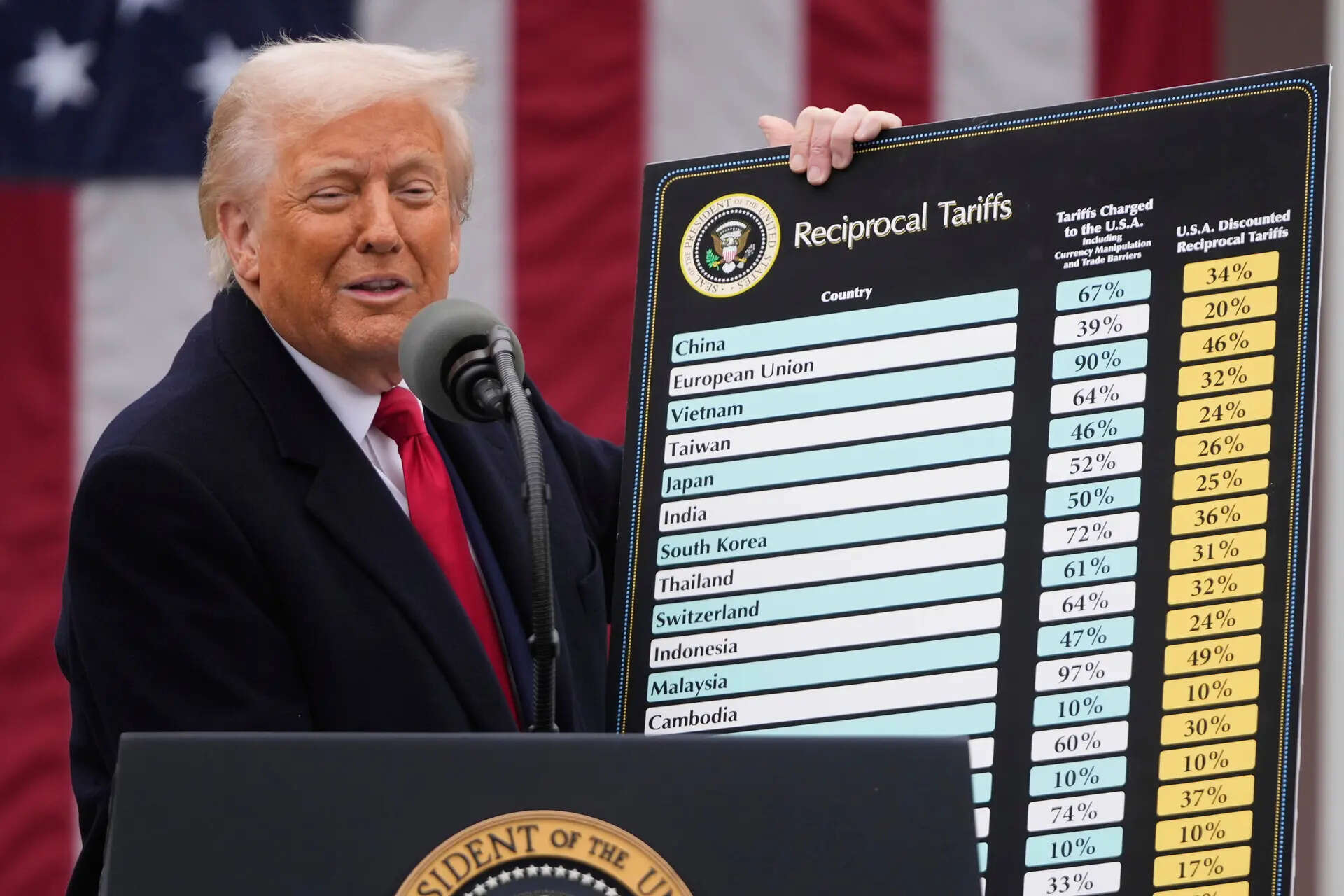
The US Supreme Court’s recent ruling invalidating President Donald Trump’s use of the International Emergency Economic Powers Act (IEEPA) to impose tariffs has thrown the future of trade policy into uncertainty. SBI Research suggests that countries may need to adopt a "counter-intuitive" approach during this interim phase, as the ultimate authority on tariffs now rests with a closely divided US Congress. This shift in power dynamics could complicate efforts to establish a consistent global tariff regime and disrupt existing international trade agreements.
The court’s decision hinged on the fact that IEEPA had never been used by any president for tariff imposition during peacetime, highlighting its unconventional application. In response, the executive branch has turned to Section 122 of the Trade Act of 1974 to impose a temporary 10% global tariff on all imports into the US, effective from February 24, 2026, for a period of 150 days. This marks the first time Section 122 powers have been exercised, with potential extensions requiring congressional approval.
The newly imposed tariffs include carve-outs for goods from Canada and Mexico under the US-Mexico-Canada Agreement (USMCA) and certain national security tariffs already in place. SBI Research predicts that the administration will use this interim period to investigate further trade issues and potentially impose additional tariffs through Section 301 and Section 232 mechanisms. These provisions allow the president to address balance of payments concerns by imposing temporary import surcharges up to 15% or applying quotas, but only for 150 days unless Congress acts to extend them.
The court’s ruling raises questions about the future of trade agreements that relied on IEEPA-related tariffs, including those involving China, the UK, and Japan. This could create fresh uncertainty around multibillion-dollar deals, as the legal basis supporting them has been weakened. SBI Research warns that while Trump may still impose similar tariffs under other statutory authorities, the ruling sets a significant precedent for future trade policy decisions.
This development is crucial for global trade, as it underscores the delicate balance of power between the executive and legislative branches in shaping US trade policy. The outcome could influence how countries negotiate with the US in the coming months, particularly during this strategic window before Congress weighs in on the matter.
Verticals
worldasia
Originally published on Times of India on 2/22/2026