
Turmoil grips Philippines in 1986 as People Power ends Marcos rule – from the SCMP archive
South China Morning Post
by SCMPFebruary 25, 2026
AI-Generated Deep Dive Summary
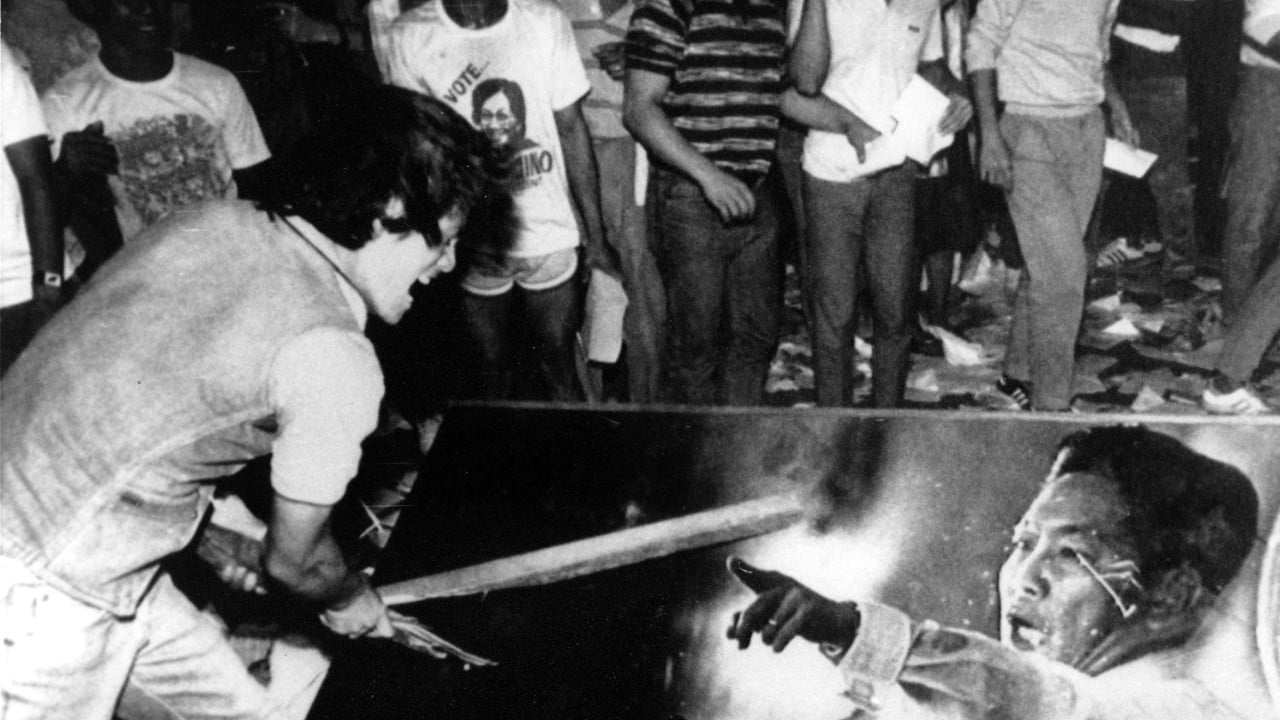
The Philippines was thrown into turmoil in February 1986 as mass non-violent protests led by Corazon Aquino challenged the authoritarian rule of President Ferdinand Marcos. The capital, Manila, became the epicenter of the revolution, with hundreds of thousands of unarmed demonstrators demanding an end to decades of corruption and martial law. Despite the overwhelming show of popular support for Aquino, Marcos defiantly clung to power, even declaring a state of war against his opponents.
The unrest stemmed from widespread dissatisfaction with Marcos' regime, marked by political repression, economic mismanagement, and extravagant displays of wealth, such as Imelda Marcos' collection of thousands of shoes. The People Power movement was galvanized by the assassination of Aquino's husband, opposition leader Benigno Aquino Jr., who had been seen as a symbol of resistance to Marcos' rule. This act sparked national outrage and united disparate groups across the Philippines in a common cause for democracy.
The situation reached a critical point when Marcos announced a "state of war" against his opponents on February 24, 1986, even as Aquino's supporters peacefully occupied strategic points in Manila, including major thoroughfares. The world watched in awe as ordinary citizens risked their lives to confront military forces and assert their demand for change. This movement not only ended Marcos' rule but also became a beacon of hope for non-violent resistance worldwide, inspiring future pro-democracy movements.
For readers interested in global politics, this story highlights the power of grassroots activism and the enduring desire for freedom. The fall of Marcos marked a turning point in modern Philippine history, showcasing how collective action can dismantle oppressive regimes and pave the way for democratic change.
Verticals
worldasia
Originally published on South China Morning Post on 2/25/2026