
Unearthed temple in Nepal sheds new light on Buddha’s early life
South China Morning Post
by Bibek BhandariFebruary 21, 2026
AI-Generated Deep Dive Summary
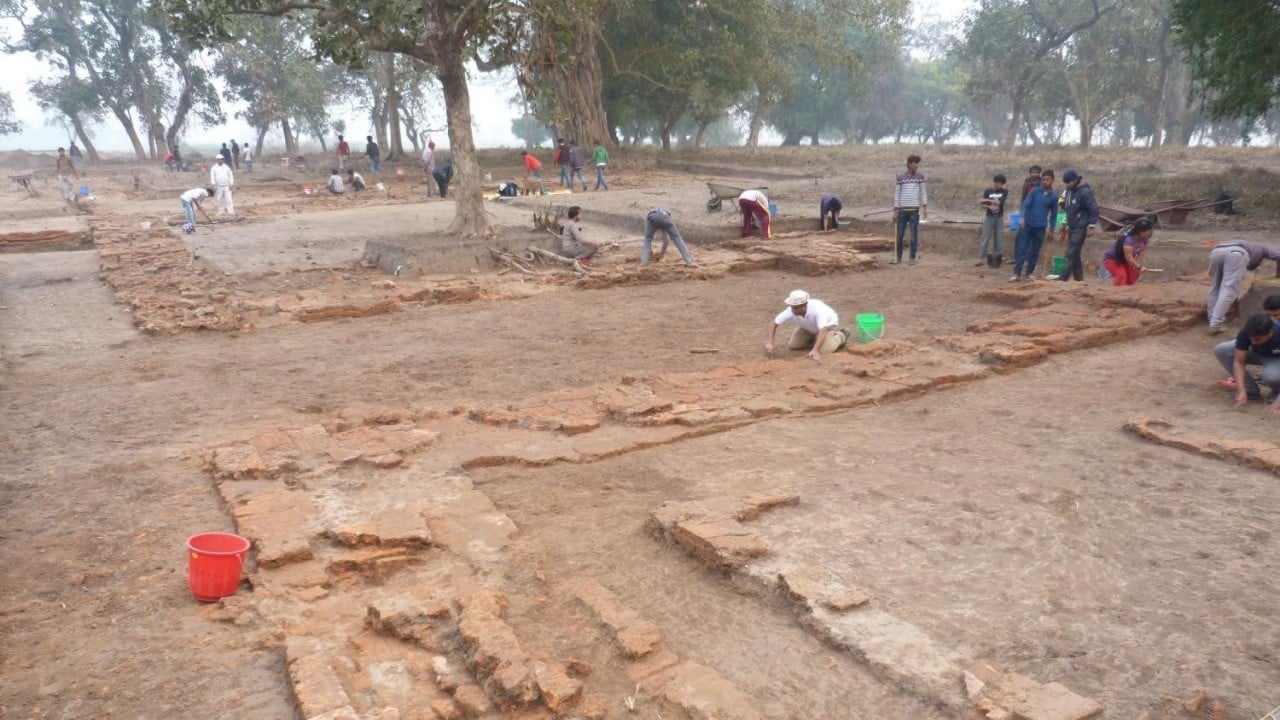
The discovery of a newly unearthed temple near Nepal’s Tilaurakot—a site believed to be the ancient capital where Siddhartha Gautama spent his formative years—has sparked fresh insights into the early life of Buddha. This archaeological find not only sheds light on the region's historical and religious significance but also challenges the long-held notion that Lumbini, Buddha’s birthplace, is the sole focus of Buddhist pilgrimage.
Tilaurakot, located just a short distance from Lumbini, has long been overshadowed by its neighbor despite being considered one of Buddhism’s most sacred sites. The ruins of this fortified city are thought to represent the vibrant and dynamic period when Siddhartha Gautama lived as a prince before embarking on his spiritual journey. The recent discovery of a temple at Tilaurakot—a structure believed to date back to the first century BCE—provides compelling evidence that the site was once a hub of Buddhist religious activity, rivaling its prominence today.
Archaeologists suggest that this temple, adorned with intricate carvings and featuring a statue of the Buddha, offers fresh insights into early Buddhist practices. The findings also include inscriptions referencing significant events in Buddha’s life, further solidifying Tilaurakot’s importance in Buddhist history. This discovery not only enriches our understanding of the region's cultural heritage but also underscores the need to recognize its historical and spiritual significance on a global scale.
For readers interested in world history and religious archaeology, this development highlights the potential for Tilaurakot to become a major destination for Buddhist pilgrims and
Verticals
worldasia
Originally published on South China Morning Post on 2/21/2026