
US to remove Vietnam from tech export control list, Hanoi says
South China Morning Post
by Agence France-PresseFebruary 21, 2026
AI-Generated Deep Dive Summary
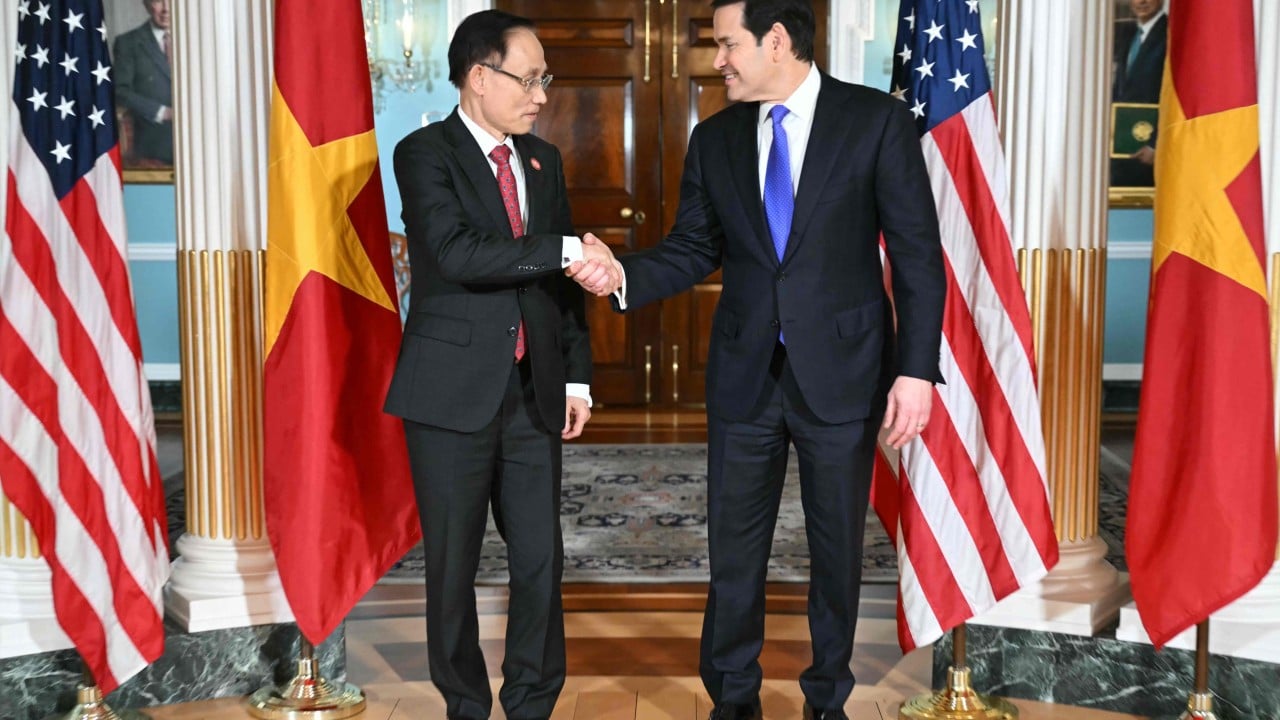
The United States has agreed to remove Vietnam from its strategic export control list following a landmark deal involving Vietnamese airlines' massive purchases of US aerospace products. During their first-ever meeting at the White House, President Donald Trump instructed relevant agencies to take steps toward this removal, which could significantly ease access to advanced American technologies for Vietnam. This decision comes amid ongoing trade negotiations between the two nations and follows a Supreme Court ruling that invalidated many of Trump's tariffs.
Vietnam’s government announced the agreement after Vietnamese airlines finalized nearly $37 billion in deals with US aerospace companies, including a $8.1 billion order from Vietnam Airlines to Boeing. These purchases are part of a broader effort by Vietnam to modernize its aviation sector and strengthen economic ties with the United States. The move is seen as a strategic win for both countries, potentially paving the way for deeper collaboration in technology and trade.
The removal of Vietnam from the export control list could have far-reaching implications for the country's technological and military development. It would provide Vietnam with greater access to advanced technologies, which could bolster its defense capabilities and industrial growth. For the US, it represents an opportunity to expand its tech exports while strengthening economic and diplomatic ties with a key Southeast Asian nation.
This decision also highlights the interconnectedness of trade and geopolitics in the region. By linking economic investments with policy concessions, both nations are signaling their commitment to fostering stronger bilateral relations. As Vietnam continues to emerge as a significant player in global trade, this agreement underscores the potential for further collaboration between the two countries.
Verticals
worldasia
Originally published on South China Morning Post on 2/21/2026