
US trade deficit widens sharply in December, testing Trump tariff claims
South China Morning Post
by Khushboo RazdanFebruary 19, 2026
AI-Generated Deep Dive Summary
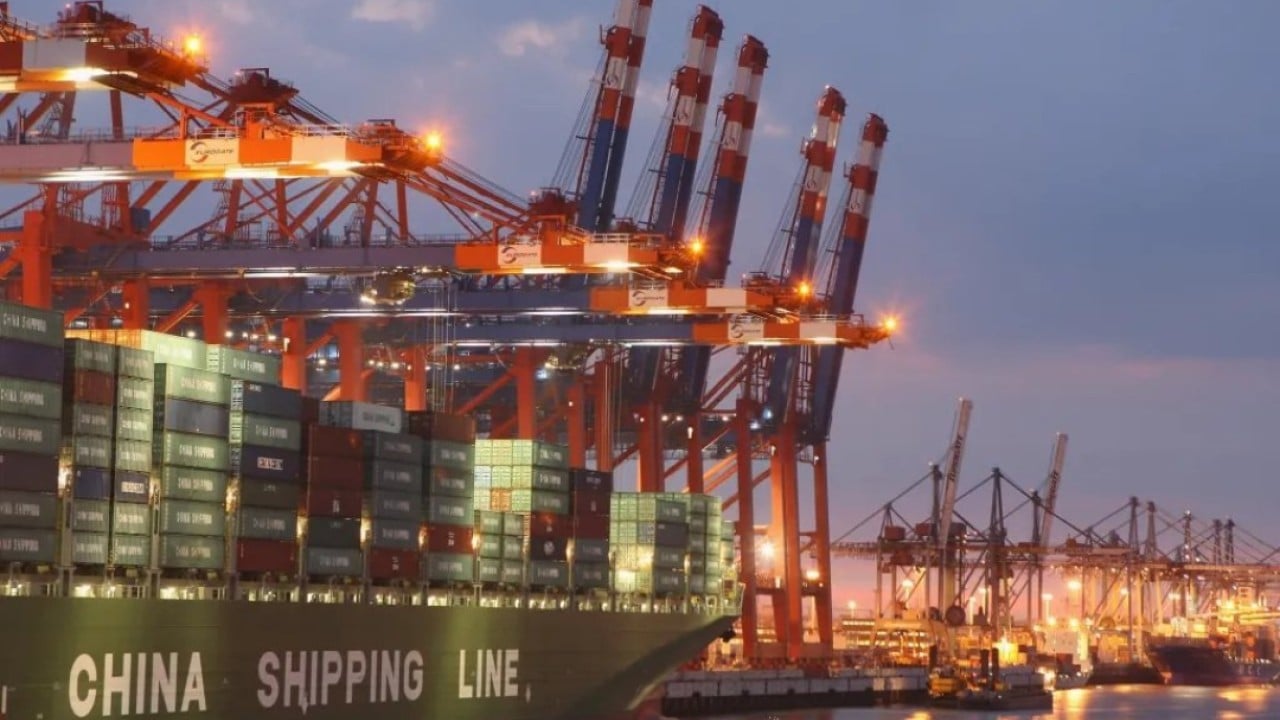
The US trade deficit surged significantly in December 2025, according to data from the US Bureau of Economic Analysis. The imbalance reached a notable high, underscoring ongoing challenges in America's economic relations with global partners, particularly China, a key competitor in the global economy. While the full-year deficit for 2025 stood at $901.5 billion, reflecting a slight decrease of 0.2% from 2024, it remains one of the largest trade deficits since 1960. This development raises questions about the effectiveness of US trade policies and their impact on domestic industries and international relations.
The widening trade deficit in December was driven by increased imports outweighing exports, with a significant portion of the imbalance attributed to trade with China. Despite efforts to renegotiate trade agreements under former President Trump's tariffs, the data suggests that these measures have not significantly reduced the gap. The US continues to import far more than it exports, particularly in manufactured goods, while domestic production struggles to meet global demand. This dynamic highlights the complexities of managing international trade relationships and maintaining economic competitiveness on a global scale.
The broader implications of this trend are significant for both the US and the world economy. A persisting trade deficit signals ongoing challenges in achieving balance in global trade flows, which can impact employment, industrial output, and overall economic growth. Additionally, the relationship between the US and China remains a critical factor in shaping global markets and geopolitical stability. As the US seeks to strengthen its position in the global economy, addressing the root causes of the trade deficit will be essential for fostering sustainable economic growth and reducing reliance on imports from key competitors.
This issue is particularly relevant for readers interested in global economics and international relations, as it highlights the delicate balance required to maintain healthy trade relationships. The US's ability to address its trade deficit while navigating complex geopolitical landscapes will be a focal point for policymakers and businesses alike, with implications that extend far beyond American borders.
Verticals
worldasia
Originally published on South China Morning Post on 2/19/2026