
Venezuela passes landmark amnesty bill — who benefits and who's excluded?
Times of India
by TOI WORLD DESKFebruary 20, 2026
AI-Generated Deep Dive Summary
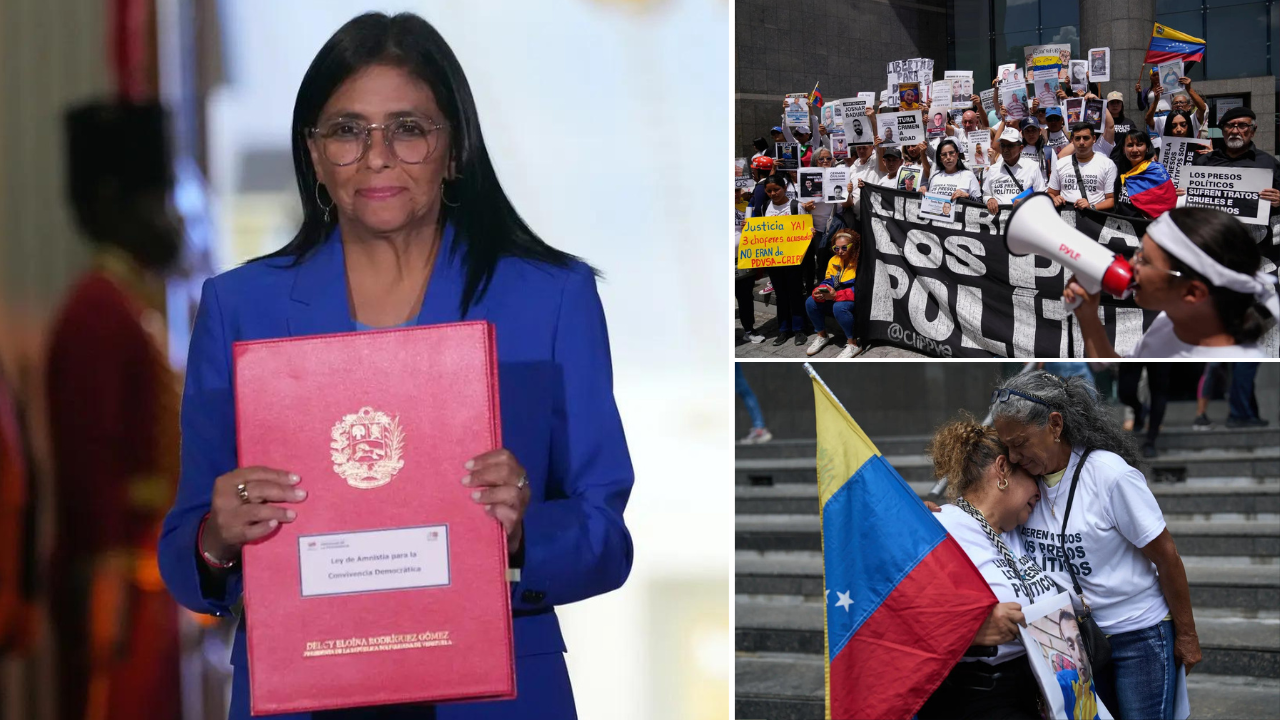
Venezuela’s interim president, Delcy Rodríguez, has signed a landmark amnesty bill that could lead to the release of hundreds of political prisoners detained during the final years of former president Nicolás Maduro’s rule. The legislation, approved by parliament, aims to promote reconciliation but includes significant exclusions targeting individuals involved in armed actions or foreign intervention. While it offers hope for families of detainees, critics worry about its potential misuse, fearing it could shield government allies while denying relief to genuine prisoners of conscience.
The bill retroactively applies to offenses dating back to 1999, covering major political events like the failed coup against Hugo Chávez and the 2024 unrest following Maduro’s disputed re-election. United Nations human rights experts have expressed concern, urging that the law exclude those responsible for serious abuses and crimes against humanity. This raises questions about whether figures like María Corina Machado, a Nobel Peace Prize winner accused of advocating foreign intervention, will benefit from the amnesty.
Despite its broad scope, the bill’s exclusions and retroactive nature have sparked debate. While it could bring relief to many families, critics fear it may be used selectively to protect government allies. Human rights groups estimate that hundreds, possibly thousands, of Venezuelans were detained in recent years under Maduro’s regime for allegedly plotting against his government. Many reports of mistreatment and neglect in prisons remain unaddressed.
The bill comes amid heightened international scrutiny of Venezuela’s political landscape. Rodríguez assumed power after Maduro was captured during a US military raid in January, and her interim government has reportedly received US backing in exchange for access to Venezuela’s oil reserves. The signing of the amnesty law marks Rodríguez’s most significant domestic policy move since taking office, serving as an early test of her commitment to reconciliation in a deeply divided nation.
This issue matters globally due
Verticals
worldasia
Originally published on Times of India on 2/20/2026