
Watch SpaceX land a rocket in The Bahamas for the 2nd time ever today
Space.com
by Mike Wall February 19, 2026
AI-Generated Deep Dive Summary
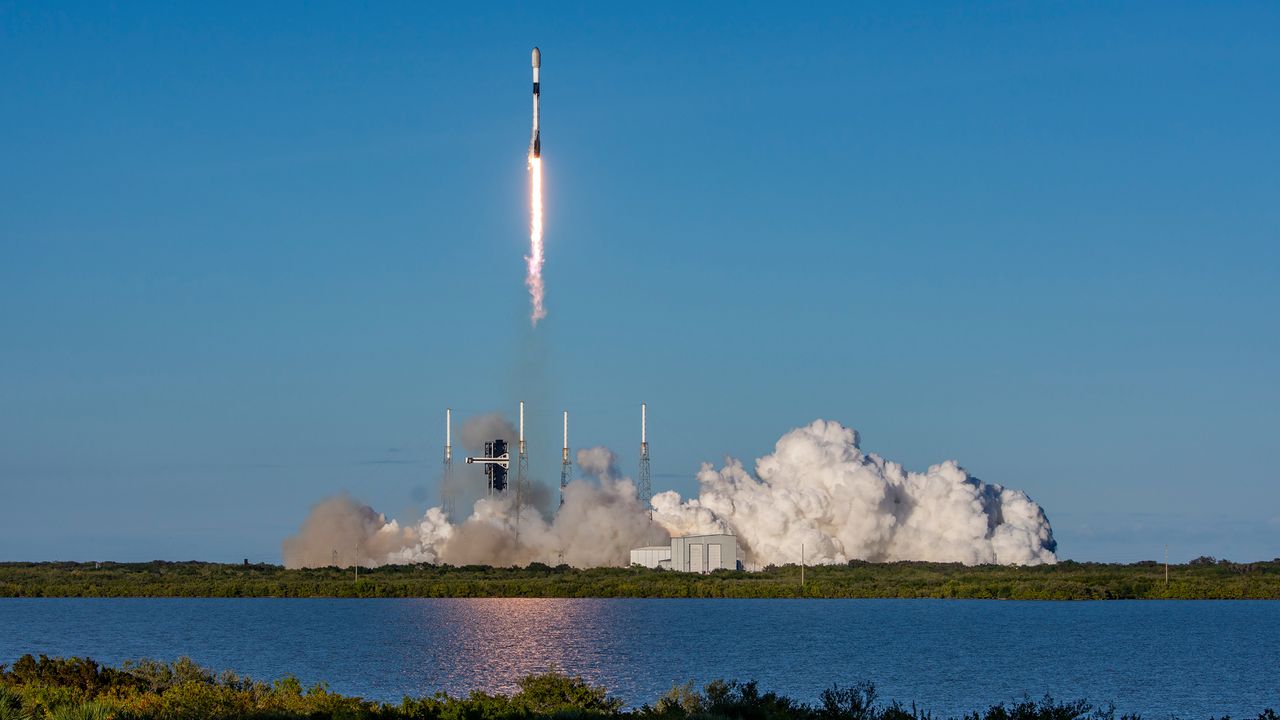
SpaceX is set to make history again today by landing a Falcon 9 rocket in The Bahamas for the second time ever. The mission, scheduled for 5 p.m. ET (22:00 GMT), will see the rocket's first stage touch down on the "Just Read the Instructions" droneship in Exuma Sound after launching 29 Starlink satellites from Florida's Cape Canaveral Space Force Station. This marks a significant milestone as it is only the second time SpaceX has landed in Bahamian waters, following its inaugural landing in February 2025.
The decision to land near The Bahamas offers strategic advantages for SpaceX, enabling new orbital trajectories for its Falcon 9 boosters. While most of these rockets typically land in the open Atlantic Ocean, this location provides a more favorable position for certain missions. However, the choice has not been without challenges. In April 2025, The Bahamas paused the partnership after debris from a Starship test flight fell onto its territory, prompting an environmental assessment to ensure sustainable practices moving forward.
Following the completion of this assessment, the Civil Aviation Authority of The Bahamas granted clearance for today's landing. This particular Falcon 9 booster, designated as Booster 1077, will be making its 26th successful touchdown. Meanwhile, the rocket's upper stage will deploy the 29 Starlink satellites into low Earth orbit approximately 64 minutes after liftoff. These satellites will join nearly 9,700 others in the growing Starlink constellation, further expanding SpaceX's efforts to provide global internet connectivity.
SpaceX's ability to secure landing sites like The Bahamas is crucial for its ambitious goals of launching more Starlink satellites and advancing space exploration. This mission highlights the company's commitment to reusing rocket components while pushing the boundaries of what's possible in space travel. For those interested in space, this event underscores the ongoing evolution of rocket technology and its impact on global connectivity and scientific
Verticals
spacescience
Originally published on Space.com on 2/19/2026