
'We almost did have a really terrible day.' NASA now says Boeing's 1st Starliner astronaut flight was a…
Space.com
by Mike Wall February 19, 2026
AI-Generated Deep Dive Summary
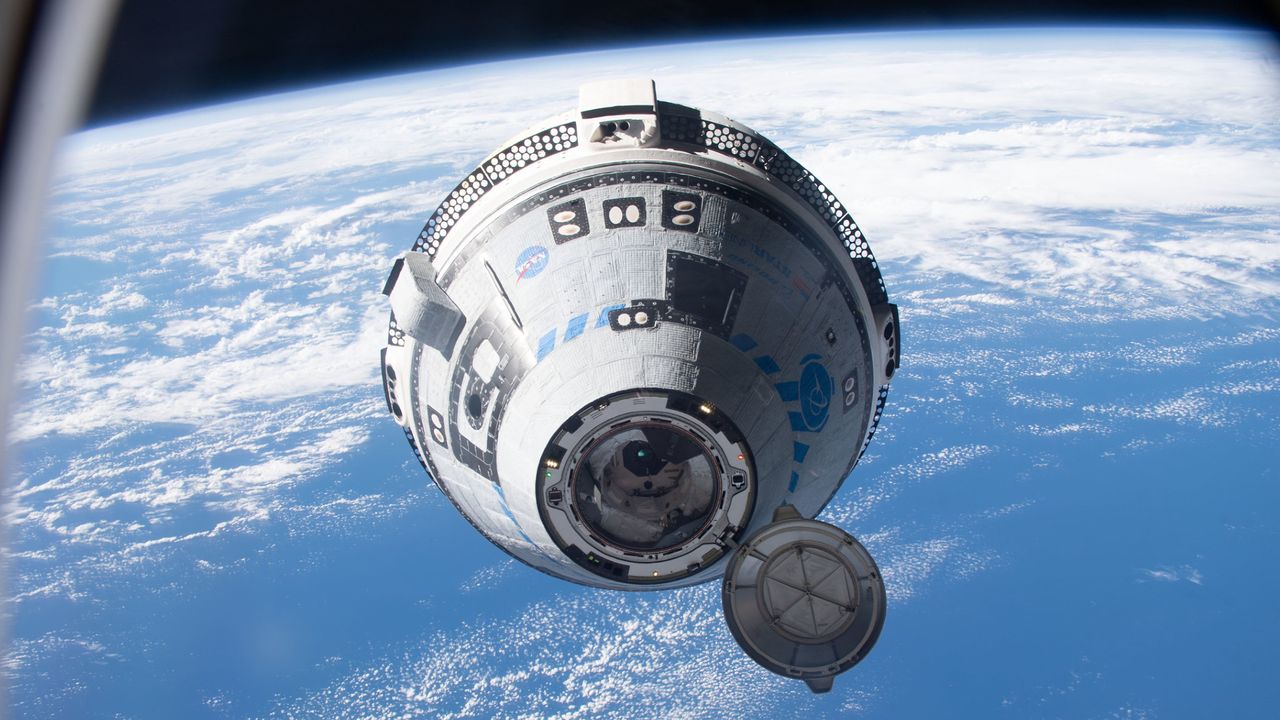
NASA has reclassified Boeing's first Starliner astronaut mission as a "Type A mishap," the most serious category, following significant technical failures during the flight. The Crew Flight Test (CFT), which launched in June 2024, faced multiple thruster malfunctions and temporary loss of precise control, raising safety concerns that could have led to disaster if not resolved. Despite these challenges, the spacecraft docked successfully at the International Space Station (ISS). However, subsequent issues during reentry, including a propulsion failure, forced NASA to bring the capsule home uncrewed. This decision highlighted the risks posed by Starliner's lack of fault tolerance in its thrusters.
The mission, initially intended for a 10-day stay, was extended multiple times as NASA investigated the thruster problems. Astronauts Suni Williams and Butch Wilmore were eventually brought back to Earth in March 2025 via a SpaceX Crew Dragon capsule after spending nearly nine months in space. This outcome underscored Boeing's struggles in developing reliable spacecraft for NASA's Commercial Crew Program (CCP), which aims to provide redundancy for ISS crew transport alongside SpaceX.
The reclassification as a Type A mishap, on par with the space shuttle tragedies, reflects the severity of the incident and its potential consequences. NASA Administrator Jared Isaacman acknowledged that agency officials initially downplayed the risks due to concerns about Boeing's reputation and programmatic advocacy outweighing safety considerations. This created a culture of mistrust and raised questions about decision-making processes within the program.
The investigation revealed critical flaws in Starliner's design, including insufficient fault tolerance for
Verticals
spacescience
Originally published on Space.com on 2/19/2026