
We ate space mushrooms and survived to tell the tale
Space.com
by Rebecca Allen February 23, 2026
AI-Generated Deep Dive Summary
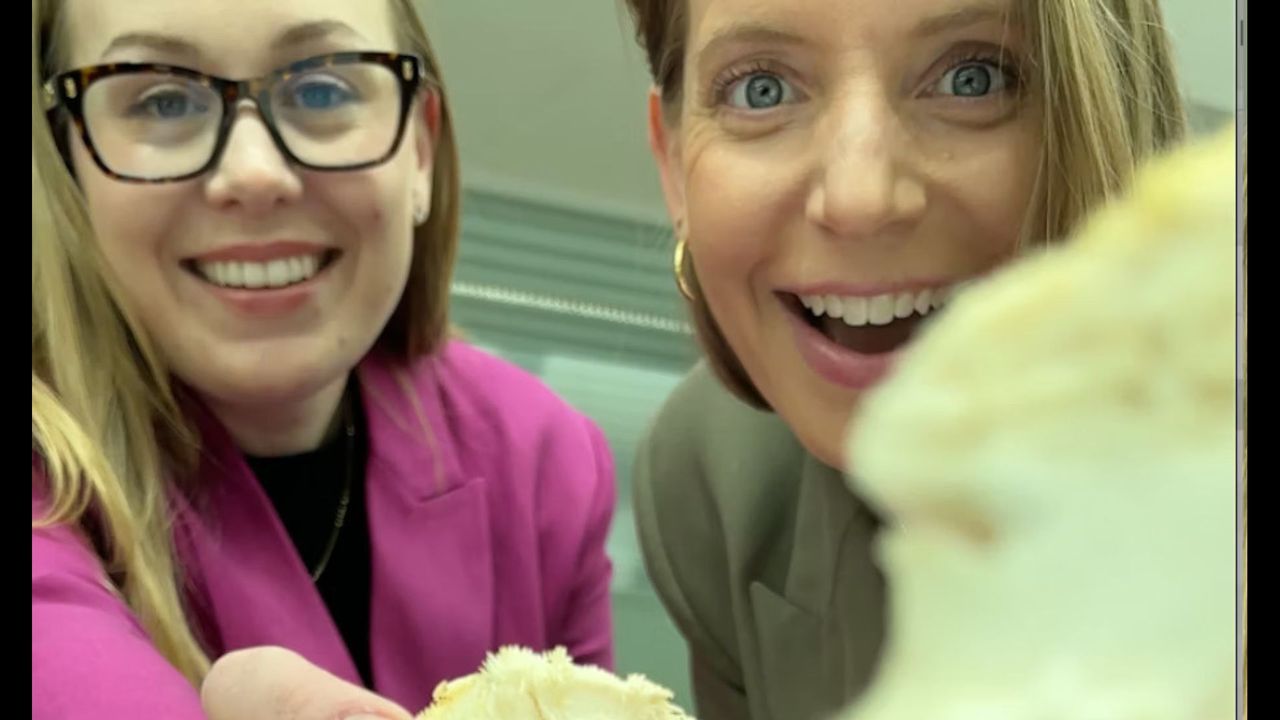
In an innovative experiment, researchers launched edible mushrooms into space to test their ability to survive and grow in microgravity conditions. The fungi, including species known for health benefits like lion's mane, turkey's tail, and cordyceps, were sent aboard a SpaceX Falcon 9 rocket in August 2024. After spending nearly a month on the International Space Station (ISS), they returned to Earth and successfully grew into mushrooms, proving their resilience in space.
The experiment, led by Swinburne University of Technology, involved sending mycelium—tiny filamentous structures that form the root network of fungi—in specially designed vials. These were kept at stable temperatures and protected from damage during their time on the ISS. Once back on Earth, the mycelium were placed in nutritious substrate and grow kits to observe their growth. Within days, they began producing mushrooms, with lion's mane varieties thriving particularly well.
The success of this experiment highlights the potential for fungi to serve as a sustainable food source during long-term space missions. Unlike traditional crops, mushrooms require minimal resources like light and water, making them ideal candidates for feeding astronauts on extended voyages. The findings also contribute to understanding how fungi can adapt to extreme environments, which is crucial for future deep-space exploration missions such as NASA's Artemis II.
This breakthrough not only advances the field of space agriculture but also underscores the importance of developing reliable food systems for long-duration space travel. As humanity ventures further into the cosmos, innovative solutions like these could play a vital role in ensuring astronauts' health and sustainability during missions to the Moon, Mars, and beyond.
Verticals
spacescience
Originally published on Space.com on 2/23/2026