
What equipment do you need to observe the total lunar eclipse tomorrow, March 3?
Space.com
by Jamie Carter March 2, 2026
AI-Generated Deep Dive Summary
A total lunar eclipse on March 3, 2026, offers stargazers a rare opportunity to witness the "blood moon" phenomenon in all its copper-red glory. While the event is visible to the naked eye, using binoculars or a telescope can elevate the experience, revealing intricate details of Earth's shadow moving across the lunar surface and the stunning color variations during totality.
The eclipse will last 58 minutes in total darkness, but the entire event—from the partial phases to moonset—spans five hours and 38 minutes. In North America, viewers in western time zones will see the eclipse higher in the sky, while those in the east may catch it just before dawn as the moon sets during totality. Starting at least 75 minutes before totality is key to fully appreciating the progression of Earth's shadow across the moon.
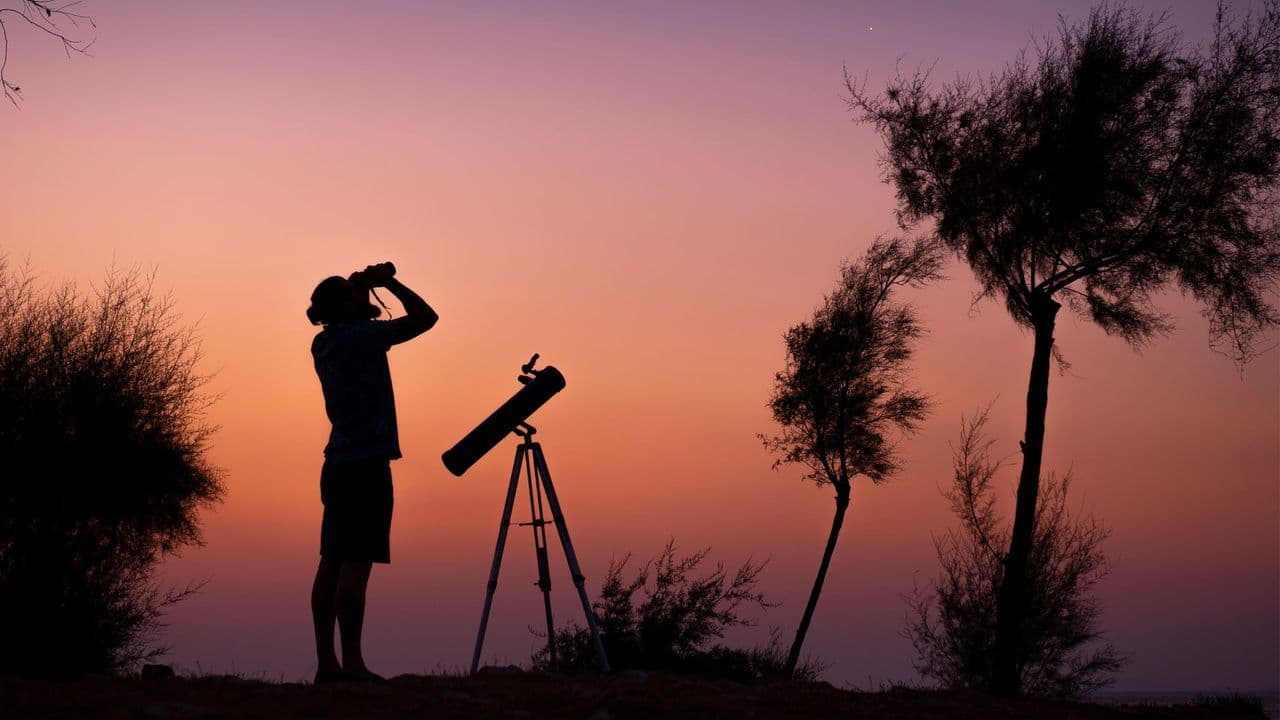
For those looking to enhance their viewing experience, binoculars are an affordable and easy upgrade over naked-eye observation. Models like 8x42 or 10x50 provide a good balance of magnification, affordability, and portability, making it possible to see the maria darkening, lunar mountains emerging in vivid hues, and even subtle color shifts during totality. For more serious enthusiasts, higher-magnification binoculars or telescopes can offer an even closer look at the moon's surface, though they may require stabilization to avoid shaky views.
While telescopes provide the most detailed view of the eclipse, they are not necessary for everyone. Binoculars strike a great balance between cost and performance, allowing viewers to capture the beauty of the event without breaking the bank. Whether you choose binoculars or a telescope, this total lunar eclipse is a must-see event for astronomy enthusiasts, as the next total eclipse won't occur in North America until New Year’s Eve 2028. With such a long wait between opportunities to witness totality, March 3, 2026, offers a unique chance to connect with the natural wonder of our solar system and see the moon like never before.
Verticals
spacescience
Originally published on Space.com on 3/2/2026