
What would blocking the Strait of Hormuz mean for global oil and LNG shipments?
South China Morning Post
by Mia NurmamatFebruary 20, 2026
AI-Generated Deep Dive Summary
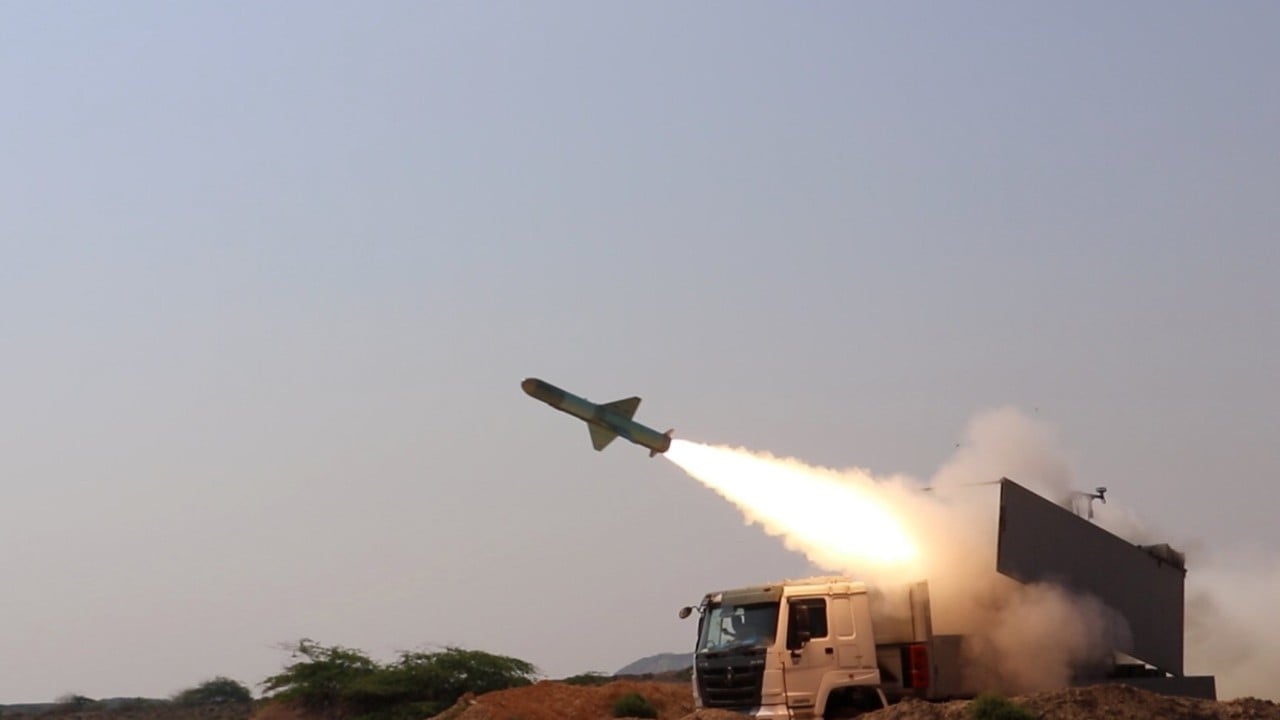
Iran’s partial closure of the Strait of Hormuz during recent military exercises has sparked global concern over its potential impact on energy supplies. The strategic waterway, which carries about 31% of global crude oil shipments and 20% of LNG trade, is vital for international trade. Tehran’s move, though temporary, has already driven up oil prices by nearly 6% this week, reflecting market nervousness.
The Strait of Hormuz, located between Iran and the UAE/Oman, is a narrow passage connecting the Persian Gulf to the Indian Ocean. It handles around 13 million barrels of crude daily, equivalent to $4 billion in trade every hour. This makes it a lifeline for global energy markets, particularly for oil-rich nations like Saudi Arabia and Qatar, which rely on it for exporting their resources.
Tensions between Iran and the US remain high despite recent talks in Geneva. The closure during the drill was the first since Trump’s nuclear programme warning last month, raising fears of prolonged blockades. Experts warn that a full or extended blockade could disrupt global energy supplies, sending prices soaring and destabilizing economies worldwide.
For readers interested in world affairs, this highlights the delicate balance of power in the region and its far-reaching economic implications. The situation underscores how geopolitical tensions can quickly escalate into global crises, affecting everything from fuel costs to international trade.
Verticals
worldasia
Originally published on South China Morning Post on 2/20/2026