
When China declared war on sparrows and triggered history’s deadliest famines that no one expected
Times of India
by TOI WORLD DESKFebruary 14, 2026
AI-Generated Deep Dive Summary
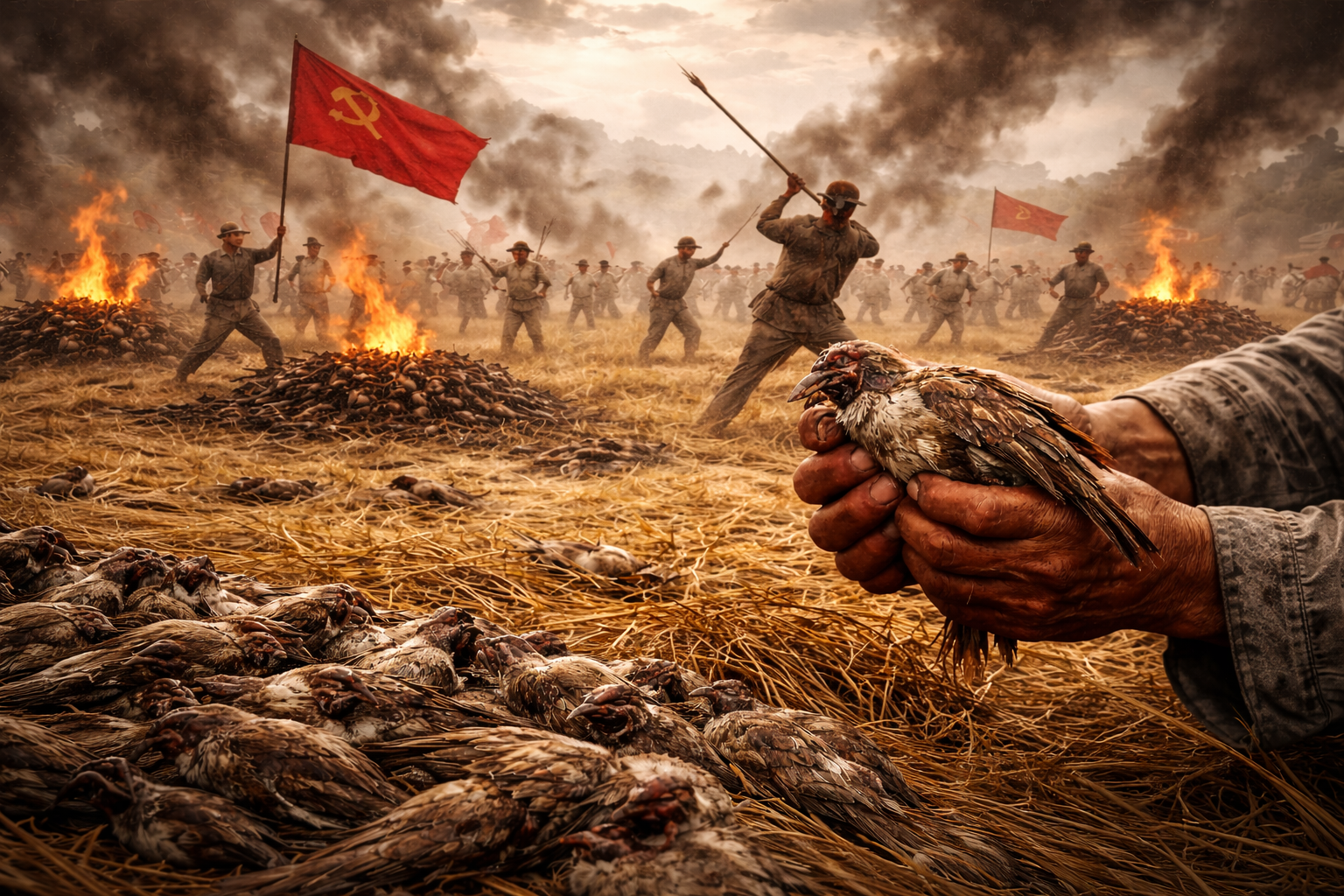
In 1958, China launched a campaign to eradicate sparrows as part of its Four Pests initiative, aiming to combat grain loss. However, this move had unforeseen consequences that contributed to one of history's deadliest famines. A recent study reveals that the eradication disrupted ecosystems, leading to increased insect populations and reduced crop yields, particularly in rice and wheat. This ecological imbalance, combined with flawed food procurement policies, exacerbated food shortages during the Great Chinese Famine (1959–1961), resulting in an estimated 2 million additional deaths linked to the campaign.
The Four Pests Campaign targeted sparrows because officials believed they consumed too much grain. Despite warnings from scientists, the government proceeded with poison and other eradication methods. The study highlights how regions where sparrows were more common experienced greater declines in rice (5.3% drop) and wheat (8.7% decline). Sparrows naturally controlled insect populations, which surged after their removal, further damaging crops. Interestingly, sweet potato yields remained stable or even improved slightly, suggesting that above-ground crops were more vulnerable.
The ecological disruption worsened food shortages, as officials misjudged grain production gains due to the sparrows' absence. Counties with higher sparrow populations saw mortality rates rise by 9.6%. The study estimates that nearly one-fifth of crop losses during the famine could be tied to the eradication campaign, though other factors like weather and policy also played roles.
This research underscores the risks of ecological imbalances created by human intervention. Sparrows acted as a natural control on insect populations, and their removal had cascading effects on agricultural systems. The broader lesson is that removing even
Verticals
worldasia
Originally published on Times of India on 2/14/2026