
When tradition becomes torture: Inside Bihar’s pakadua vivah cases
Times of India
by ANJALI SINGHFebruary 26, 2026
AI-Generated Deep Dive Summary
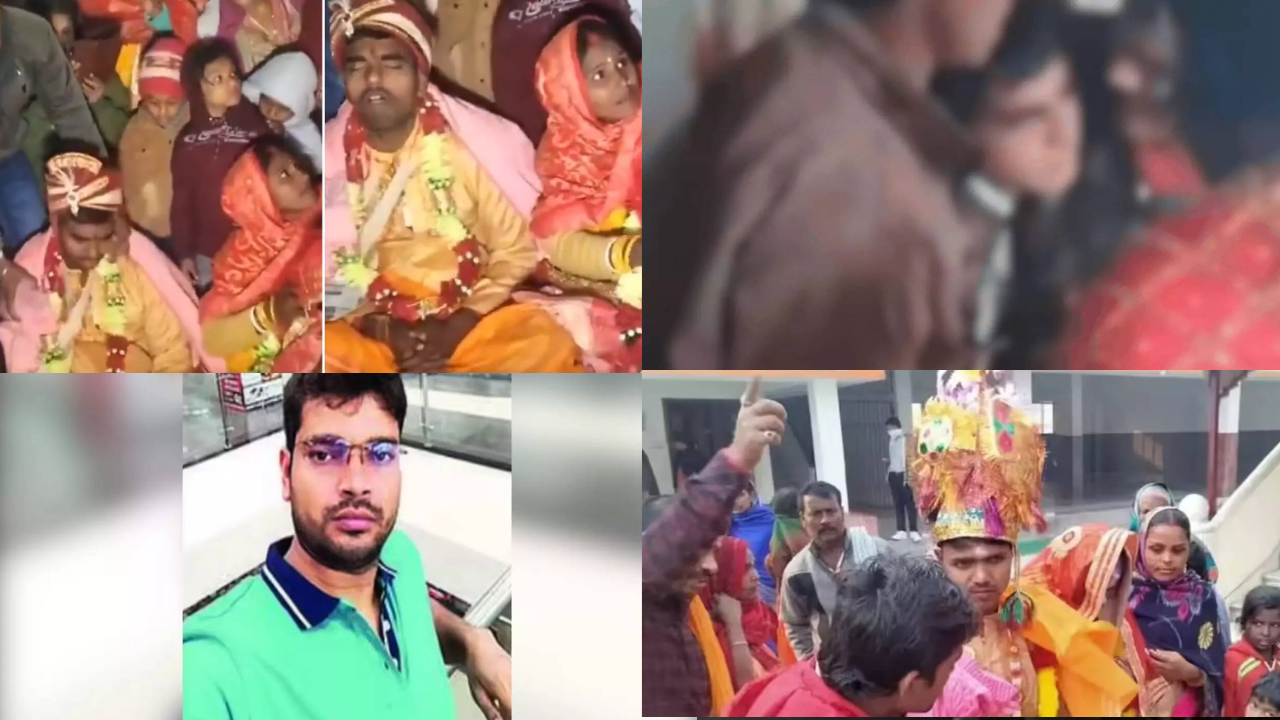
In recent months, Bihar has seen a chilling surge in cases of forced marriages, known locally as "pakadua vivah," where young men are abducted, drugged, and coerced into unions against their will. These incidents have sparked widespread concern, with victims ranging from students and teachers to even teenagers. The practice blurs the line between tradition and horror, leaving victims traumatised and families frantic. Viral videos on social media reveal harrowing scenes of abduction, captivity, and forced participation in wedding rituals.
One such case involves Nitish Kumar, a 22-year-old student from Samastipur district, who was allegedly drugged with a sedative-laced drink by his friends. He claims to have been rendered unconscious, abducted, and held captive for two days before being forced to marry a girl from a nearby village. Police intervention led to his rescue, but the case has raised questions about the complicity of local communities and the challenges faced by law enforcement in addressing such crimes.
In another incident, Avnish Kumar, a 28-year-old government school teacher from Begusarai district, was allegedly abducted at gunpoint and forced into marriage. While he described the ordeal as a nightmare, the bride offered a conflicting account, claiming the union was consensual after they met during her nursing studies. This case highlights the complexities of determining consent in forced marriage cases, particularly when prior relationships exist.
The issue has gained national attention, with similar cases reported across districts like Patna and Begusarai. For instance, Vinod Kumar, a senior official from Bokaro Steel Plant, was forcibly married at gunpoint in 2017. These incidents underscore the alarming rise of such crimes, which are often rooted in deep-seated traditions but justified under the guise of marriage.
The surge in pakadua vivah cases reflects a disturbing trend where tradition is weaponized to justify violence against men and women. While many families view these marriages as opportunities for settlement or social advancement, victims face long-term psychological trauma. The lack of police response in some cases further exacerbates the problem, leaving communities divided and survivors without justice.
These cases are not isolated incidents but part of a broader pattern of gender-based violence that transcends borders. As
Verticals
worldasia
Originally published on Times of India on 2/26/2026