
'White-collar' terror probe: Doctors formed 'Ansar Interim' to carry out attacks
Times of India
by TOI NEWS DESKFebruary 15, 2026
AI-Generated Deep Dive Summary
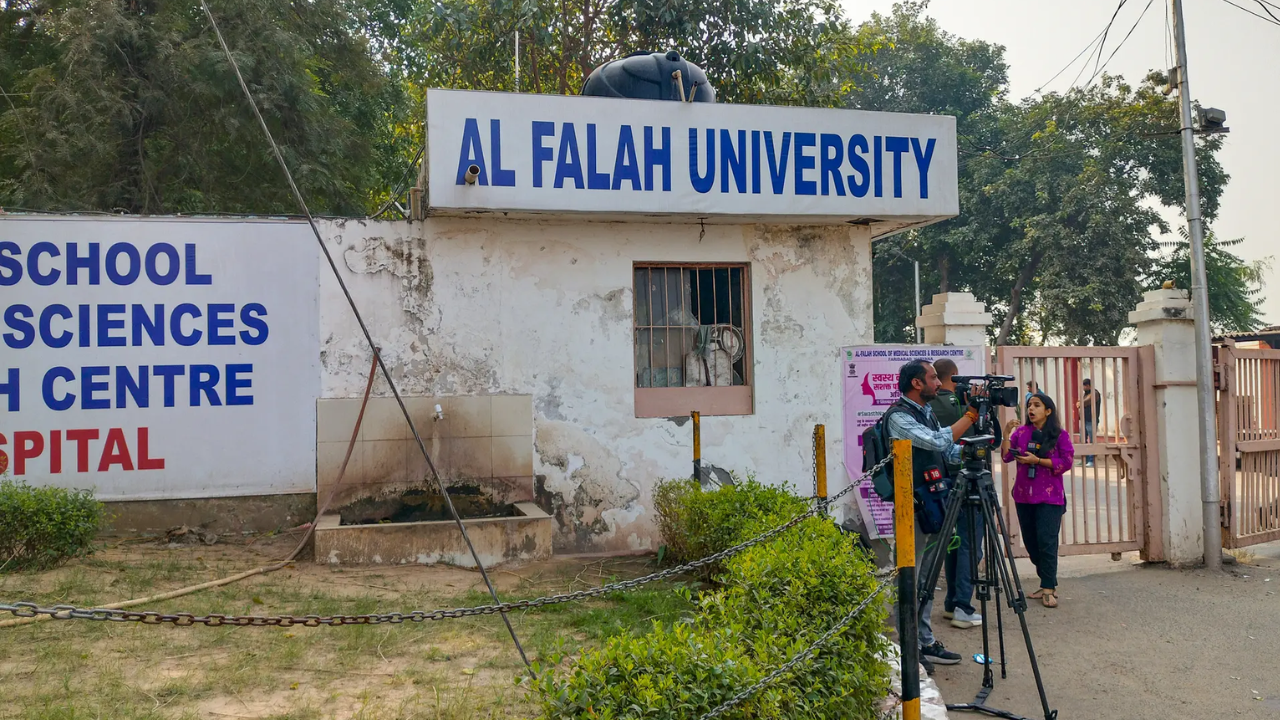
A recent uncovered terror module in India, labeled as a "white-collar" operation, has revealed that several doctors were radicalized and formed a new group called "Ansar Interim" to carry out subversive activities. The group was discovered after J&K Police found evidence of its existence, including posters linked to the banned terror outfit Jaish-e-Mohammed (JeM) in Srinagar. This case is now being investigated by the National Investigation Agency (NIA). The doctors involved, including Muzamil Gannie, Umer-un-Nabi (who was killed), and Adeel Rather, were allegedly radicalized in 2016 after losing contact with active terrorists. They formed "Ansar Interim" in April 2022, naming Adeel as the chief and assigning roles to others, including Qari Aamir and Tufail Gazi.
The group's operations included acquiring materials like fertilizers and chemicals for creating improvised explosive devices (IEDs), such as Triacetone Triperoxide (TATP). Umer-un-Nabi played a key role in coordinating these activities, attempting to recruit members and even planning a suicide attack. However, one recruit, Danish alias Jasir, backed out at the last moment due to personal beliefs. The group's plot to execute a Vehicle-Borne Improvised Explosive Device (VBIED) attack was foiled after Gannie was arrested by Srinagar police, leading to a premature blast near the Red Fort in November 2023 that killed over a dozen people.
This case highlights the alarming trend of educated professionals, including doctors and preachers, being radicalized and involved in terrorism. The involvement of such individuals raises concerns about how they exploited their access to resources and networks for terrorist activities. The group's ability to plan and execute attacks across regions like Kashmir, Haryana, and Uttar Pradesh underscores the challenges faced by Indian authorities in combating terrorism, especially when it involves educated and influential members.
The incident also sheds light on the global threat posed by "white-collar" terrorists, who use their professional access to facilitate radicalization and恐怖活动. The failed attack near the Red Fort serves as a reminder of the potential dangers posed by such groups, particularly in densely populated areas. This case is significant for readers interested in global security as it illustrates how terrorism can evolve and adapt, making it harder to detect and prevent.
Verticals
worldasia
Originally published on Times of India on 2/15/2026