
Who are the IS brides trying to get home?
Sydney Morning Herald
by Michael BachelardFebruary 20, 2026
AI-Generated Deep Dive Summary
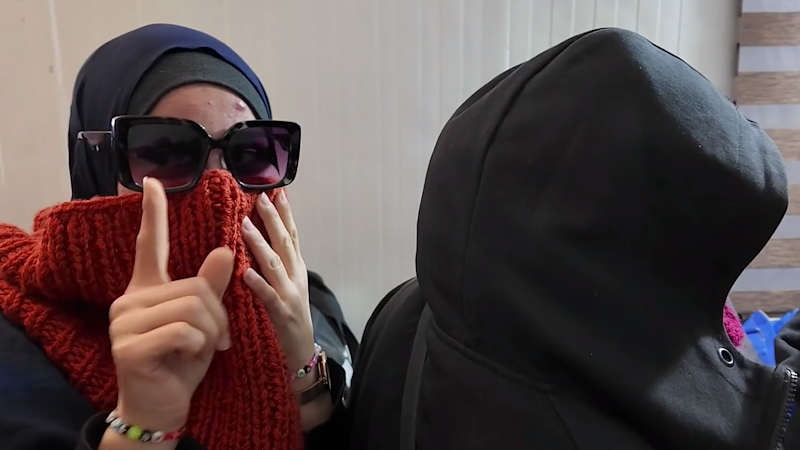
Eleven family groups, totaling 34 individuals, including women and children, are attempting to return home from Syrian internment camps after years of detainment. These individuals, primarily linked to Islamic State (IS), have been caught in a complex web of international politics, legal challenges, and personal narratives. Among them is Nesrine Zahab, an Australian woman who claims she was tricked into traveling to Syria by her cousin, Muhammad Zahab, a former maths teacher turned IS recruiter. Zahab, now 30, has expressed her desire to return to Australia, where she once pursued university studies and had no intention of entering the war-torn country.
Other family members, including Sumaya Zahab, the sister of Muhammad Zahab, and Zahra Ahmed, a mother from Melbourne, have shared their own stories of being drawn into Syria through various circumstances. While some were lured by promises of humanitarian work, others, like Kirsty Rosse-Emile, became radicalized as teenagers and traveled to Syria with their husbands, who later joined IS. These women now face uncertain futures as they navigate legal challenges, including Temporary Exclusion Orders and charges related to entering prohibited areas.
The case has sparked debates in Australia about repatriation policies, national security, and the moral obligations of bringing these individuals home. While some, like Mariam Raab, have been successfully repatriated and reintegrated into society, others face prolonged detention and legal battles. The stories of these women highlight the broader complexities of radicalization, family dynamics, and the human cost of war.
This situation matters to readers interested in global security, immigration policies, and the ongoing impact of the Syrian conflict on international communities. It raises important questions about accountability, rehabilitation, and the role of families in radical networks. As these individuals seek to rebuild their lives, their stories serve as a reminder of the far-reaching consequences of war and the need for compassionate yet cautious approaches to repatriation.
Verticals
worldaustralia
Originally published on Sydney Morning Herald on 2/20/2026