
Who is Ali Shamkhani, the face of Iran’s wartime resistance?
South China Morning Post
by ReutersFebruary 25, 2026
AI-Generated Deep Dive Summary
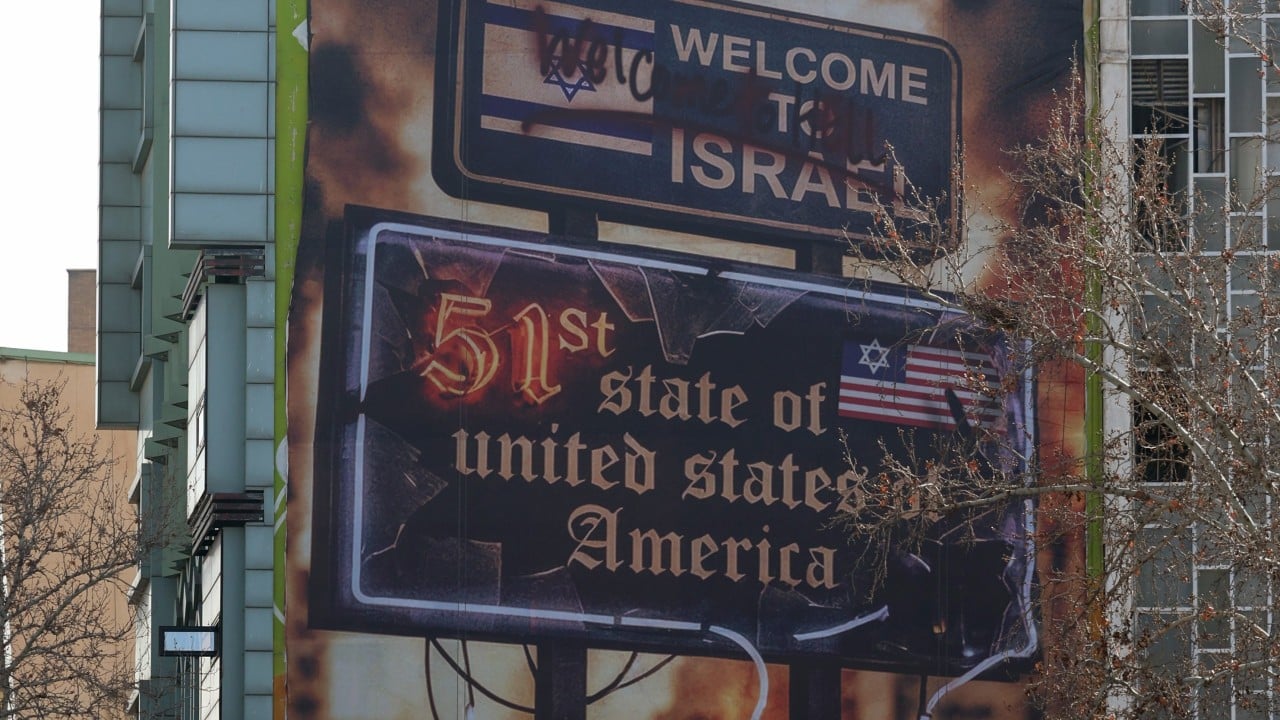
Ali Shamkhani, a prominent figure in Iran’s military and diplomatic landscape, has emerged as a symbol of resilience and influence during the country’s tense standoff with the United States. Known for his survival following a devastating Israeli airstrike on his Tehran home in June 2025, Shamkhani has not only defied death but also continued to play a pivotal role in shaping Iran’s strategic decisions. As a trusted advisor to Supreme Leader Ayatollah Ali Khamenei, he is at the center of high-stakes negotiations and military confrontations that could redefine the future of the Islamic Republic.
Shamkhani’s journey from a Revolutionary Guard commander to a key policymaker underscores his deep ties to Iran’s ruling elite. His ability to navigate complex diplomatic and military landscapes has solidified his reputation as a steadfast defender of Iranian interests. This is particularly evident in the ongoing tensions with the US, where Shamkhani’s influence could determine whether Iran emerges stronger or faces significant setbacks.
The situation is further complicated by Iran’s regional influence, particularly through groups like Hezbollah in Lebanon and its involvement in conflicts across the Middle East. Shamkhani’s leadership and survival represent more than just an individual’s defiance; they symbolize the broader resilience of the Islamic Republic, born from the 1979 revolution. As tensions continue to escalate, his role as a key figure in Iran’s resistance movement becomes increasingly significant.
Understanding Shamkhani’s influence is crucial for anyone following global affairs. His story highlights the delicate balance of power, diplomacy, and military strategy in a region that remains a flashpoint for international conflict. Whether it’s through taunting Israel after surviving an airstrike or advising the Supreme Leader on critical decisions, Shamkhani embodies the complexities of Iran’s wartime resistance. This makes him not just a key player in Iranian politics but also a figure whose actions could shape the stability of the Middle East and beyond.
In a world where geopolitical tensions often escalate to unexpected levels, Shamkhani’s story serves as a reminder of the high stakes involved in US-Iran relations. His survival and continued influence suggest that Iran is prepared to weather even the most intense external pressures. As the conflict unfolds, his role will likely remain central to how Iran responds to both domestic and international challenges.
Ultimately, Ali Shamkhani’s journey and influence offer valuable insights into the broader dynamics of power and resistance in the modern world. For readers interested in global politics, his story is not just about an individual’s survival but about the resilience of a nation and
Verticals
worldasia
Originally published on South China Morning Post on 2/25/2026