
Why did 72 tigers die at a Thailand tourist park in under 2 weeks?
South China Morning Post
by Aidan JonesFebruary 24, 2026
AI-Generated Deep Dive Summary
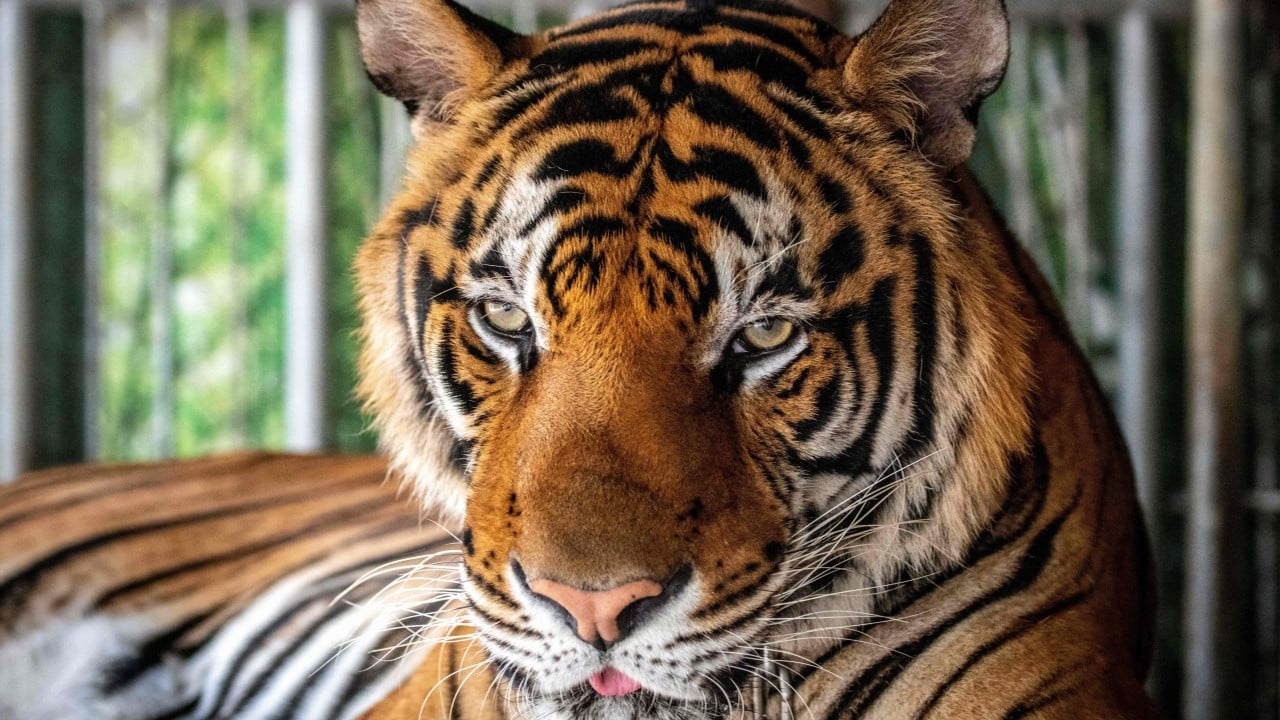
The mysterious deaths of 72 captive tigers at Tiger Kingdom, a popular tourist attraction in Chiang Mai, Thailand, have sparked concern over the treatment of wild animals in the entertainment industry. The outbreak began in early February, with authorities initially linking the fatalities to canine distemper—a highly contagious virus that can be deadly to big cats. However, as investigations continue, experts are now exploring other potential causes, such as contaminated food, which could complicate efforts to determine the full scope of the tragedy.
Tiger Kingdom, known for its interactive tiger encounters and performances, has long been criticized by animal rights groups for keeping large numbers of tigers in captivity for entertainment purposes. The facility’s business model relies on attracting tourists eager to see and interact with these majestic animals up close. However, critics argue that such practices often prioritize profit over the well-being of the animals.
The deaths have raised critical questions about the conditions under which captive tigers are kept in Thailand’s entertainment industry. Activists warn that the combination of overcrowding, poor nutrition, and limited veterinary care creates a perfect storm for disease outbreaks. The case highlights the broader issue of animal welfare in Southeast Asia’s booming wildlife tourism sector, where profit often outweighs conservation and ethical concerns.
This incident matters not only to animal rights advocates but also to global readers interested in wildlife conservation and responsible tourism. It underscores the need for stricter regulations on how wild animals are treated in captivity and the importance of promoting ethical alternatives to entertainment-based attractions. The fate of these t
Verticals
worldasia
Originally published on South China Morning Post on 2/24/2026