
‘Why did India not wait?’: Jairam Ramesh questions timing of US trade deal; cites Supreme Court tariff ruling
Times of India
by TOI NEWS DESKFebruary 22, 2026
AI-Generated Deep Dive Summary
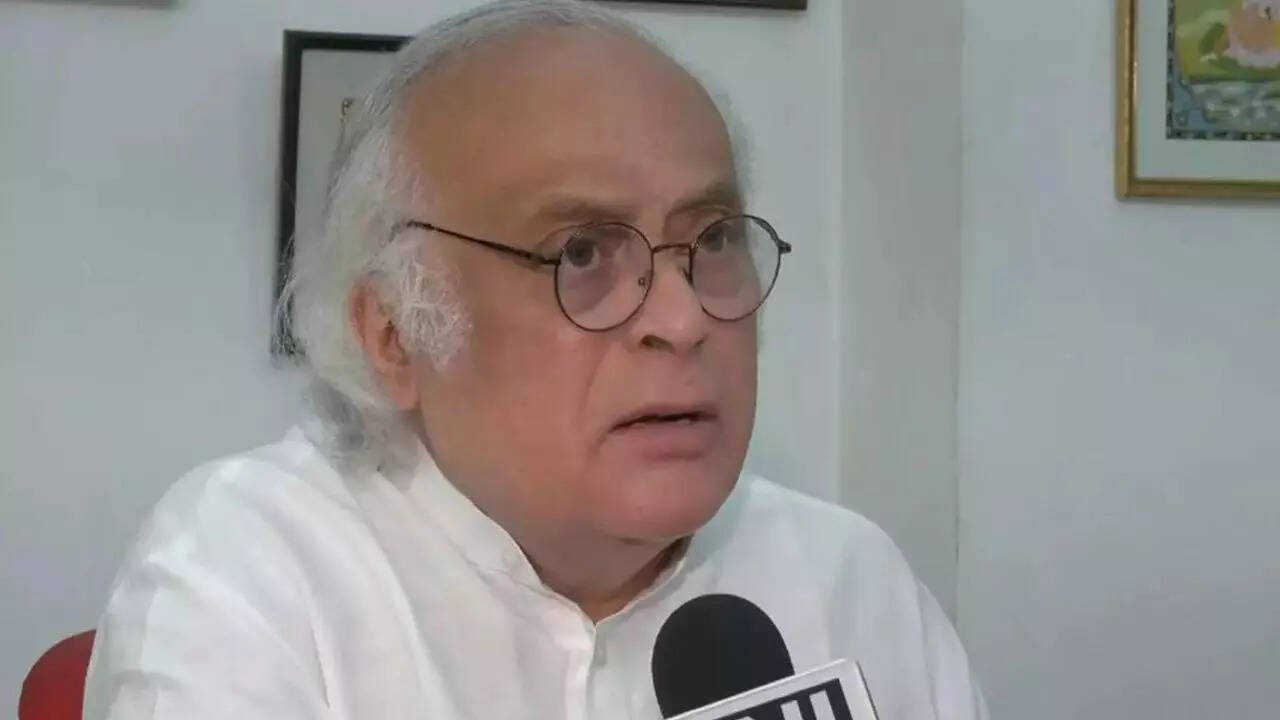
Congress MP Jairam Ramesh has criticized the Indian government's decision to sign a trade deal with the United States before the Supreme Court of the United States ruled on Trump-era tariffs. The US court, in a 6-3 ruling, struck down the administration's use of the International Emergency Economic Powers Act (IEEPA) of 1977 to impose broad import tariffs. However, President Donald Trump immediately raised global tariffs to 15%, which were deemed legally permissible.
Ramesh questioned why India did not wait until February 20, when the Supreme Court could have released its judgment, potentially weakening Trump's tariff powers. He suggested that delaying the trade deal framework would have put India in a stronger negotiating position. Ramesh also criticized the agreement for compromising the interests of Indian farmers and accused the government of distracting attention through the announcement.
The timing of the deal has sparked debate over India's strategic approach to negotiations with the US. Ramesh argued that waiting for the court's decision would have been more advantageous, given the justices' apparent skepticism toward Trump's tariffs during arguments in November 2025. His comments highlight concerns about the potential long-term implications of the trade deal for Indian farmers and domestic industries.
Meanwhile, the Indian government stated it is evaluating the Supreme Court judgment and Trump administration actions. Commerce ministry sources indicated that the proposed meeting of chief negotiators to finalize discussions would be rescheduled. The two sides agreed to revisit talks after assessing the latest developments, signaling a cautious approach to the trade negotiations moving forward.
This situation underscores the delicate balance India faces in navigating its relationship with the US while protecting its economic and agricultural interests. Ramesh's critique raises important questions about the government's decision-making process and its impact on India's standing in global trade negotiations.
Verticals
worldasia
Originally published on Times of India on 2/22/2026