
Why do cats’ eyes glow in the dark?
Popular Science
by Clarissa BrincatFebruary 15, 2026
AI-Generated Deep Dive Summary
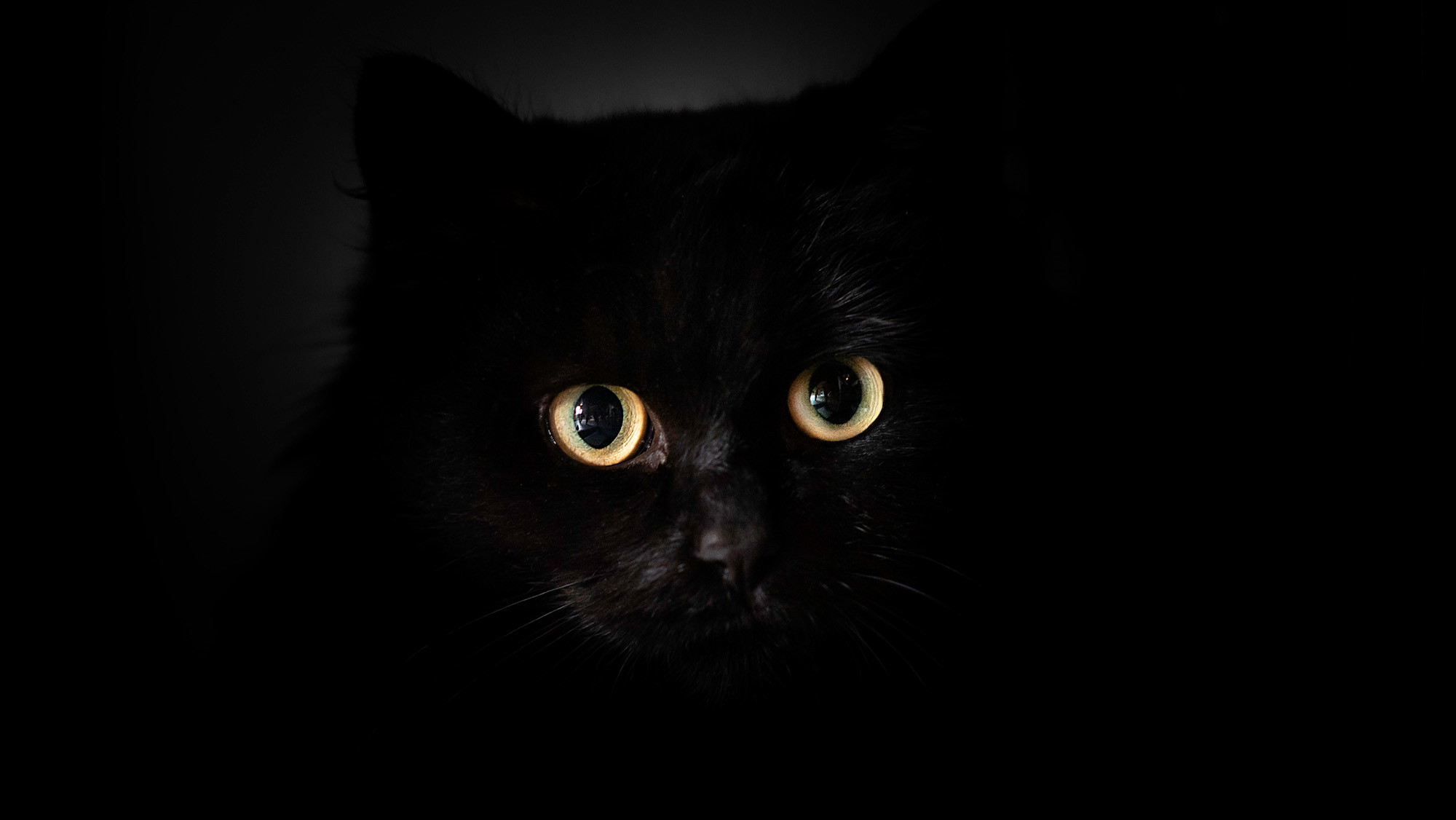
Cats’ glowing eyes in the dark might seem eerie, but they’re actually a marvel of evolutionary engineering. The phenomenon dates back to an incident in 1933 when Percy Shaw, inspired by a cat’s reflective gaze, invented Catseye® reflectors—a device still used today to improve nighttime road visibility. This glow isn’t just a mystery solved; it’s a key feature of feline anatomy that enhances their night vision. Cats’ eyes contain a reflective layer called the tapetum lucidum, which bounces unused light back through the retina, allowing them to see in near-darkness with remarkable clarity.
The tapetum lucidum is located behind the retina and acts like a mirror, reflecting light that wasn’t absorbed during the first pass. This gives the cat’s eyes their characteristic glow when illuminated in low-light conditions. While humans lack this feature, many other animals—such as cows, horses, and fish—also have it to help them navigate dim environments. For cats, this adaptation is crucial for nighttime hunting, as they rely on sharp vision in near-darkness to survive.
Beyond biology, the tapetum lucidum has inspired modern technology. Engineers like Dr. Young Min Song have developed cameras and imaging systems modeled after feline eyes to improve low-light performance. This innovation highlights how nature’s solutions can inspire cutting-edge tech. For anyone interested in science or animal behavior, understanding cats’ glowing eyes reveals a fascinating intersection of biology and engineering.
The story of cats’ glowing eyes is not just about eerie nighttime visuals—it’s a testament to evolution’s ingenuity and its impact on human invention. From road safety innovations to advanced imaging technology, the science behind feline vision continues to shape our world in unexpected ways.
Verticals
sciencetech
Originally published on Popular Science on 2/15/2026