
Why plan by US and Japan to relocate Okinawa airbase is hitting turbulence
South China Morning Post
by Julian RyallFebruary 20, 2026
AI-Generated Deep Dive Summary
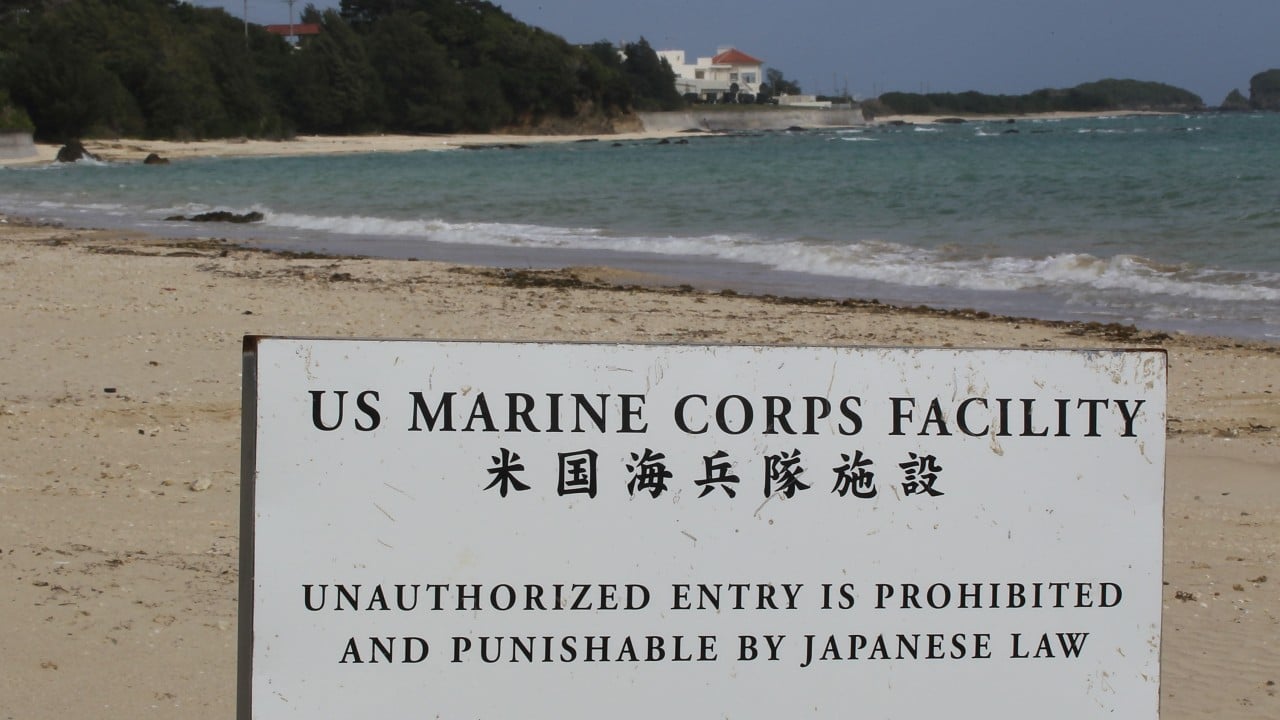
For nearly three decades, the United States and Japan have sought to close the controversial Futenma Air Base in Okinawa, a densely populated island. However, the long-awaited relocation plan is now encountering significant challenges. The US military has indicated that it will not transfer control of the Futenma base to Japanese authorities until Tokyo builds a longer runway at the planned replacement site in Henoko, located in northern Okinawa. This demand has added new layers of complexity to an already contentious agreement.
The issue stems from concerns about safety and noise associated with the current Futenma airbase, which is situated in a heavily populated area. In 1996, both nations agreed to relocate the base as part of broader efforts to ease tensions between local residents and US military operations. The proposed replacement site at Henoko was chosen, but construction has faced persistent opposition from Okinawans who argue that it will disrupt their lives and pose environmental risks. Additionally, Japan's plan to build a runway shorter than what the US considers necessary for certain military operations has further delayed the process.
The situation highlights the delicate balance of political, security, and local concerns in US-Japan relations. The delay not only strains bilateral ties but also raises questions about the future of the US military presence in Okinawa. For years, the relocation plan has been a contentious issue, with critics arguing that it prioritizes American strategic interests over the well-being of Okinawans. Meanwhile, the US insists that the longer runway is essential for maintaining operational capabilities, particularly for large aircraft and emergency landings.
This impasse underscores broader challenges in managing military bases on host countries' territories. It also reflects the complexities of aligning national
Verticals
worldasia
Originally published on South China Morning Post on 2/20/2026