
Why rights exist but justice remains out of reach for the poor
Times of India
by OSHIN BHATIAFebruary 20, 2026
AI-Generated Deep Dive Summary
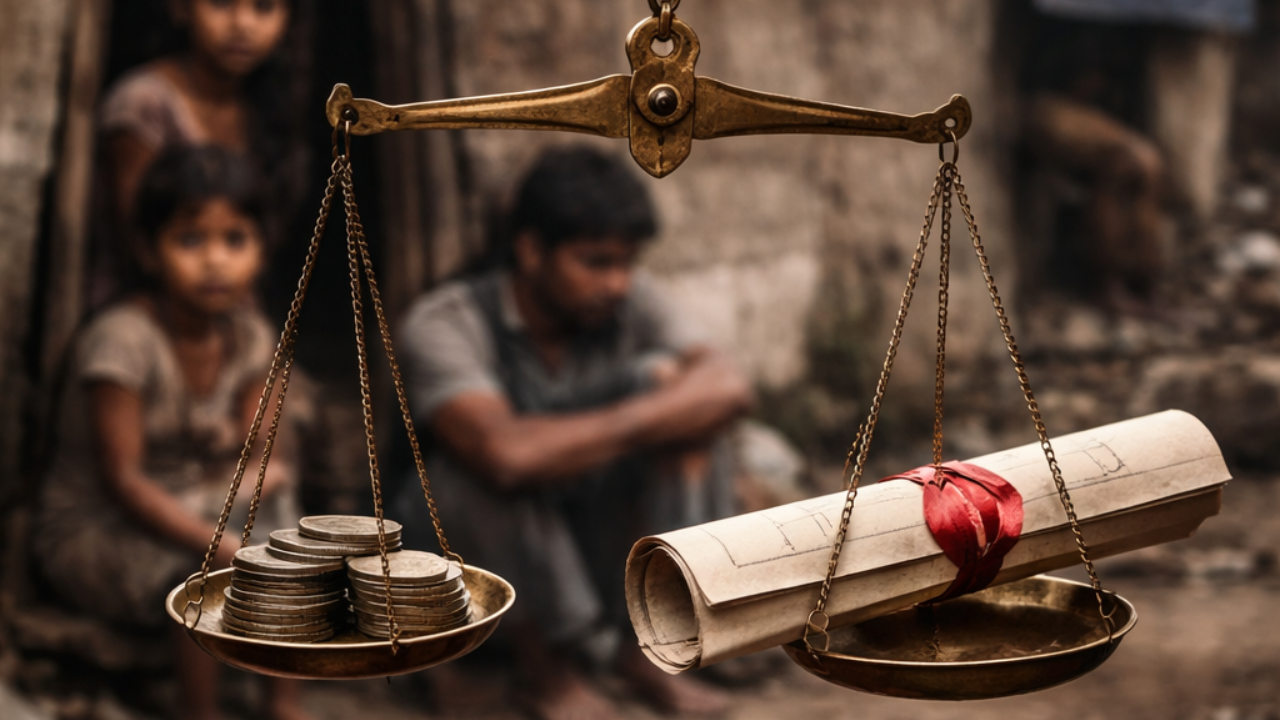
In India, while legal rights exist on paper, accessing justice remains a daunting challenge for those trapped in poverty. The legal system is designed to provide free legal aid through Article 39A of the Constitution and the Legal Services Authorities Act, 1987, which established the National Legal Services Authority (NALSA) to ensure equal justice for all. Despite these provisions, only about 1% of those eligible actually receive legal assistance. This gap persists due to a combination of factors: lack of awareness among the poor about their rights, fear of the legal system, and the financial and opportunity costs associated with pursuing justice.
Poverty exacerbates vulnerability by limiting access to resources, education, and social standing. Marginalized communities often face systemic issues such as workplace exploitation, discrimination, eviction, or domestic abuse, which are further complicated by a lack of understanding of their legal rights. Many resort to informal settlements, relying on local mediators who may not fully grasp the law or have the authority to enforce it effectively.
The disconnect between constitutional ideals and ground reality is stark. NALSA operates through a network of state and district legal services authorities, supported by grassroots volunteers like teachers and social workers. However, these efforts have struggled to reach those most in need due to limited awareness and trust. Many poor individuals feel intimidated by the legal system, perceiving it as an instrument of power rather than protection.
This issue is not just a local concern; it highlights broader challenges faced by developing nations in ensuring equitable access to justice. The lack of legal aid perpetuates cycles of injustice, leaving marginalized communities vulnerable to exploitation and unable to assert their rights effectively. Addressing these barriers is crucial for achieving social equity and upholding the constitutional promise of equality before the law.
Verticals
worldasia
Originally published on Times of India on 2/20/2026