
Why US Supreme Court struck down Donald Trump's trade tariffs; explained in 10 points
Times of India
by TOI BUSINESS DESKFebruary 21, 2026
AI-Generated Deep Dive Summary
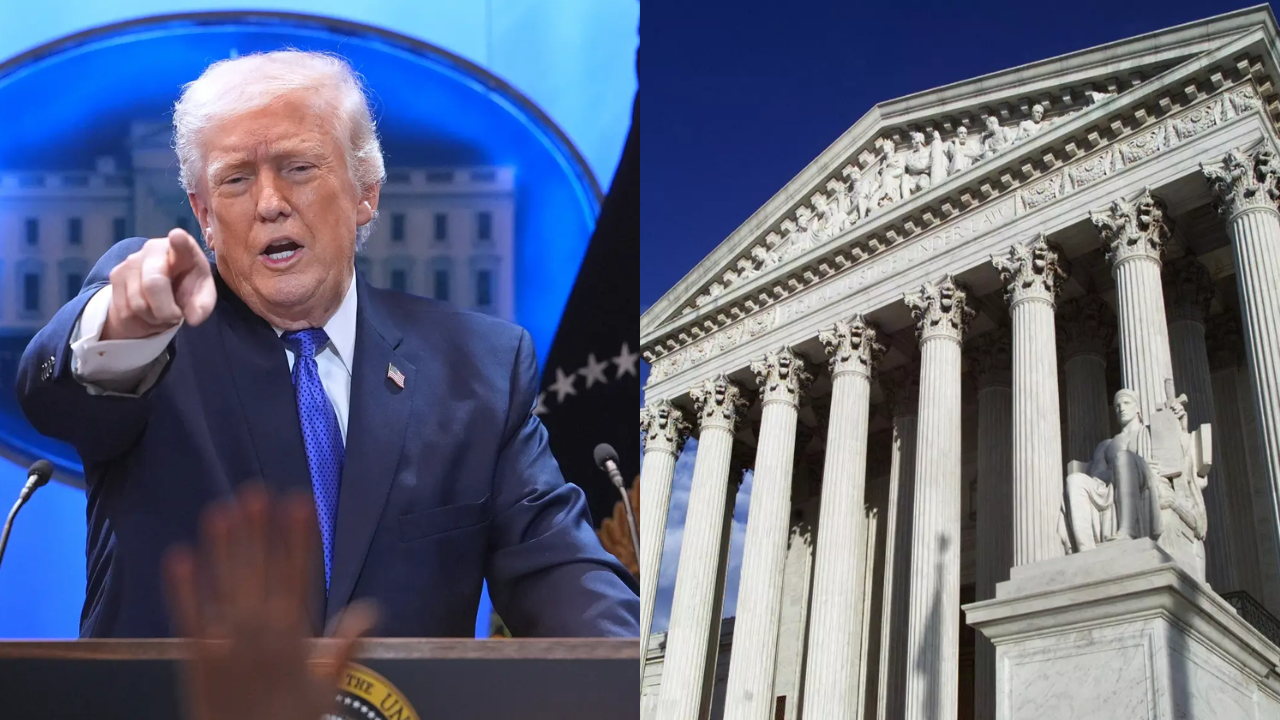
The U.S. Supreme Court ruled against former President Donald Trump's trade tariffs, striking down many of them and declaring that a key law he relied on does not grant presidential authority to impose such duties. The 6-3 decision was a significant defeat for Trump, who had heavily relied on tariffs as a tool of economic and foreign policy during his second term. The case centered on the International Emergency Economic Powers Act (IEEPA), a 1977 law that allows presidents to regulate imports in response to national security or economic threats. However, the court determined that IEEPA does not explicitly authorize the imposition of tariffs.
The majority opinion argued that IEEPA's language does not mention tariffs, duties, or taxes, which are central to how Trump interpreted the law. Previous administrations had not used IEEPA in this way, and the justices emphasized that Congress likely did not intend to grant such broad authority. The court also noted that tariffs differ from other emergency measures, as they directly affect domestic importers and generate revenue for the government—a power not intended under IEEPA.
The ruling has significant economic and political implications. Importers may now seek refunds of over $100 billion in tariffs collected under Trump's policies. However, Trump quickly responded by imposing new tariffs under different legal frameworks, signaling that the fight over presidential tariff authority is far from over. The court's decision raises questions about the limits of executive power and sets a precedent for future administrations.
The ruling also highlights the ongoing tensions between the executive branch and the judiciary. While Trump dismissed the decision as an "embarrassment," the case underscores the importance of interpreting laws narrowly and the potential consequences of expansive presidential powers. For international trade and U.S. foreign relations, this decision could reshape how tariffs are used as a tool of economic policy in the future.
Verticals
worldasia
Originally published on Times of India on 2/21/2026