
Why were Trump tariffs ruled illegal by Supreme Court? Top points from what SC said in its ruling
Times of India
by TOI BUSINESS DESKFebruary 20, 2026
AI-Generated Deep Dive Summary
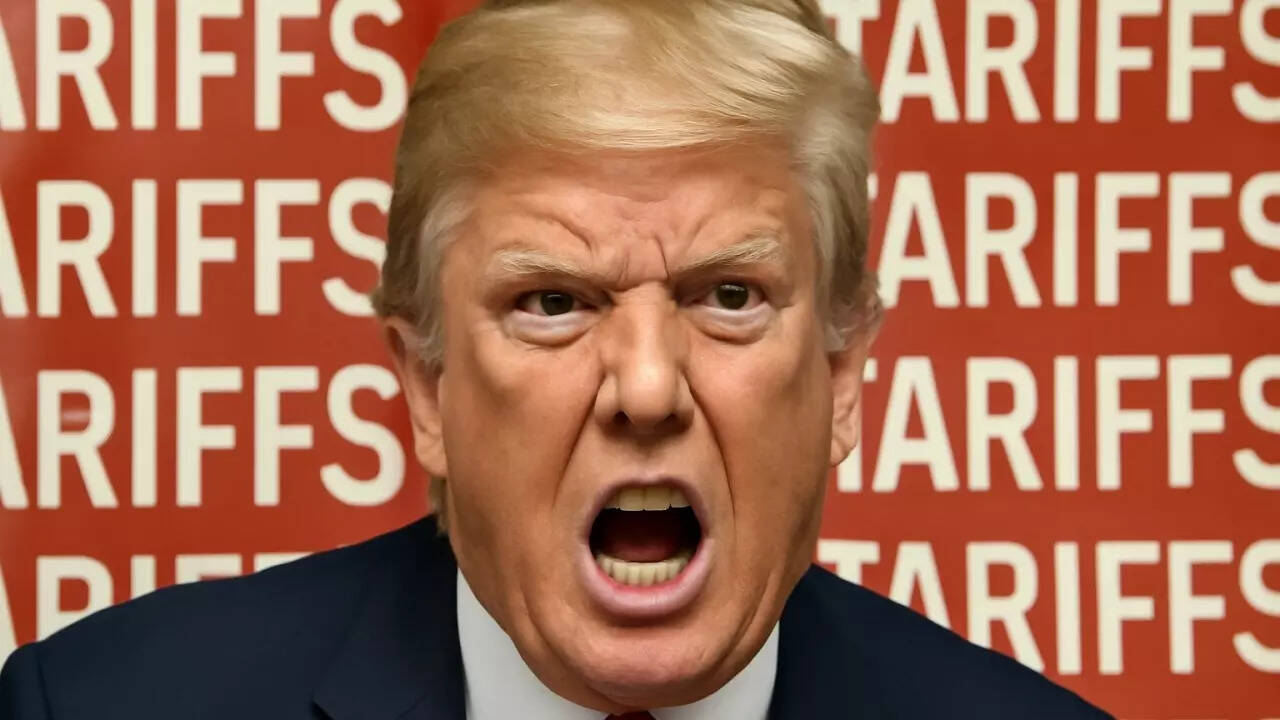
The U.S. Supreme Court ruled that former President Donald Trump's sweeping reciprocal tariffs were illegal, marking a significant defeat for his administration. In a 6–3 decision, the court found that Trump overstepped constitutional boundaries by bypassing Congress and imposing tariffs under the International Emergency Economic Powers Act (IEEPA). The majority opinion, written by Chief Justice John Roberts, emphasized that the Constitution explicitly assigns taxing powers, including tariffs, to Congress, not the executive branch. Roberts clarified that IEEPA does not grant the president authority to impose tariffs during peacetime and rejected Trump's argument that a "war-like emergency" justified the action.
The ruling highlights a critical principle of the U.S. government's separation of powers, which ensures that no single branch exceeds its designated authority. While the decision does not directly affect Trump's targeted tariffs on specific industries like steel and aluminum, it limits future presidential actions by clarifying that broad economic policies requiring congressional approval cannot be unilaterally implemented under IEEPA.
This landmark ruling underscores the court's role in maintaining constitutional checks on executive power. It also signals a potential shift in how international trade policies are developed, as Congress may now face increased scrutiny over delegated authority. The implications extend beyond U.S. borders, impacting global trade relations and reinforcing the importance of legislative oversight in economic policy-making.
For readers interested in world affairs, this decision is significant because it addresses the balance of power between branches of government and its impact on international trade. It demonstrates how legal rulings can shape foreign policy and economic strategy, with potential ripple effects across global markets and diplomatic ties.
Verticals
worldasia
Originally published on Times of India on 2/20/2026