
With no dowry case in a decade, Bihar’s Tharu community rewrites social norms
Times of India
by DILIP KUMARFebruary 13, 2026
AI-Generated Deep Dive Summary
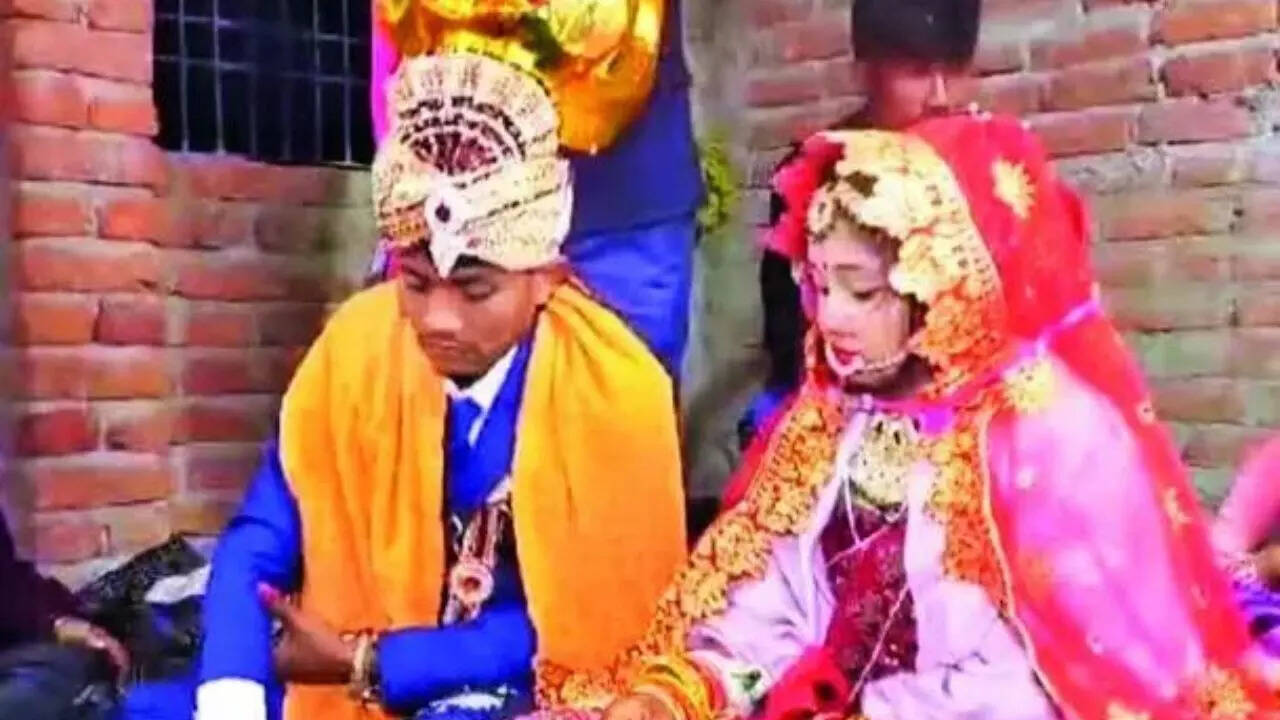
In a remarkable shift from the widespread issue of dowry-related harassment across India, the Tharu community in West Champaran’s Bagaha district has achieved an impressive feat: no dowry cases have been reported under the Gobarhiya police station for over a decade. This achievement is rooted in their strong cultural values, where dowry is considered a sin. The community enforces this norm through a system of social accountability—any violations are addressed by a panchayat, which can impose penalties ranging from fines to social boycotts.
The Tharu people view marriage as a sacred union rather than a transaction. Instead of exchanging dowries, families may offer voluntary gifts. For instance, recent weddings in the community, such as that of Achala Rai and Mahendra Chaudhary, have been celebrated without any dowry exchanged. This reflects their deep-rooted traditions and commitment to preserving cultural norms despite modern influences. The Tharu population in West Champaran numbers around 300,000, with over 500 marriages taking place annually within the community, all following this no-dowry tradition.
The absence of dowry-related disputes is a testament to the community’s collective resolve and social responsibility. Bagaha SP Ramanand Kaushal commends the Tharu for their peaceful approach to resolving disputes, often mediated by local leaders known as gumastas. This system highlights how cultural values can drive societal change more effectively than legal measures alone.
The Tharu example challenges the notion that dowry is an in
Verticals
worldasia
Originally published on Times of India on 2/13/2026