
Woman moves SC to bring son's body for last rites
Times of India
by DHANANJAY MAHAPATRAFebruary 23, 2026
AI-Generated Deep Dive Summary
NEW DELHI: A mother's fight for her son's right to a proper cremation according to Hindu rituals has raised significant legal and cultural questions in India. Savitri, a 57-year-old woman from Basti, Uttar Pradesh, is challenging the UAE authorities' decision to cremate her son Pankaj without involving his family. Pankaj, who worked as a carpenter in Sharjah, went missing on December 2 and was later confirmed dead by the Indian Embassy in Dubai on February 4. His body was cremated without Savitri or her family being allowed to perform the last rites, which are considered a crucial part of Hindu tradition.
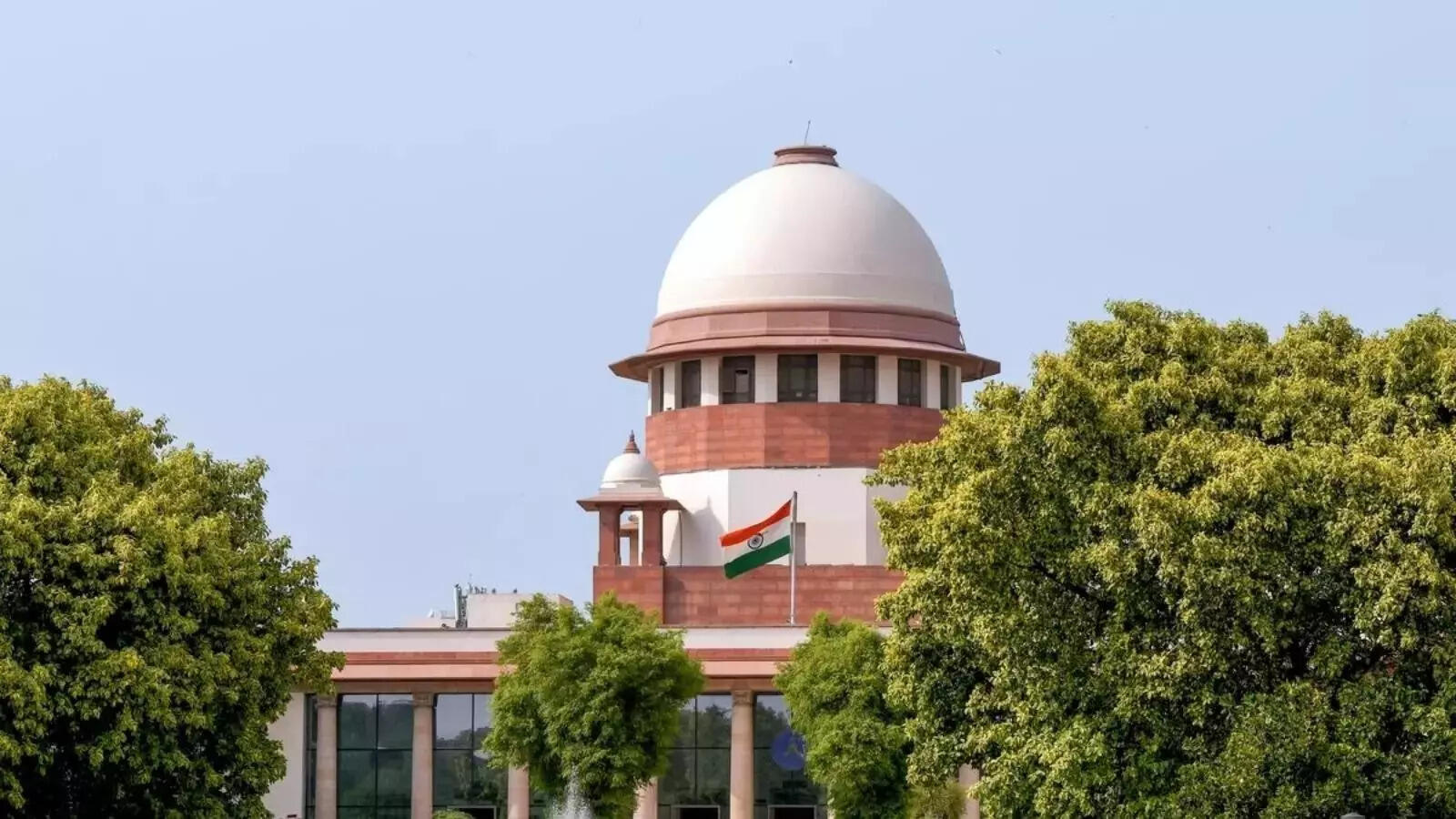
Savitri approached the Supreme Court (SC), arguing that denying her the chance to give her son a proper farewell violated her fundamental rights under Articles 21 and 25 of the Indian Constitution. Her lawyer, Sanjay M Nuli, highlighted that cremation is an essential religious ritual, known as Antim Sanskar, which cannot be disregarded. The SC has taken up the matter and issued a notice to the Union government, seeking its response by March 16.
The case has sparked a broader debate about the rights of families to honor their deceased loved ones' religious practices, even when they are abroad. It also raises questions about how foreign authorities handle such situations and whether international bodies respect cultural and religious norms. For Savitri, this is not just a legal battle but a deeply personal one, as she seeks to fulfill her duty as a mother to ensure her son's dignity in death.
The outcome of this case could set a precedent for similar situations involving expatriates and their families. It also underscores the importance of respecting cultural and religious practices, even in foreign lands, and
Verticals
worldasia
Originally published on Times of India on 2/23/2026