
'Yadav Ji ki...' doesn't defame community: Supreme Court
Times of India
by PTIFebruary 26, 2026
AI-Generated Deep Dive Summary
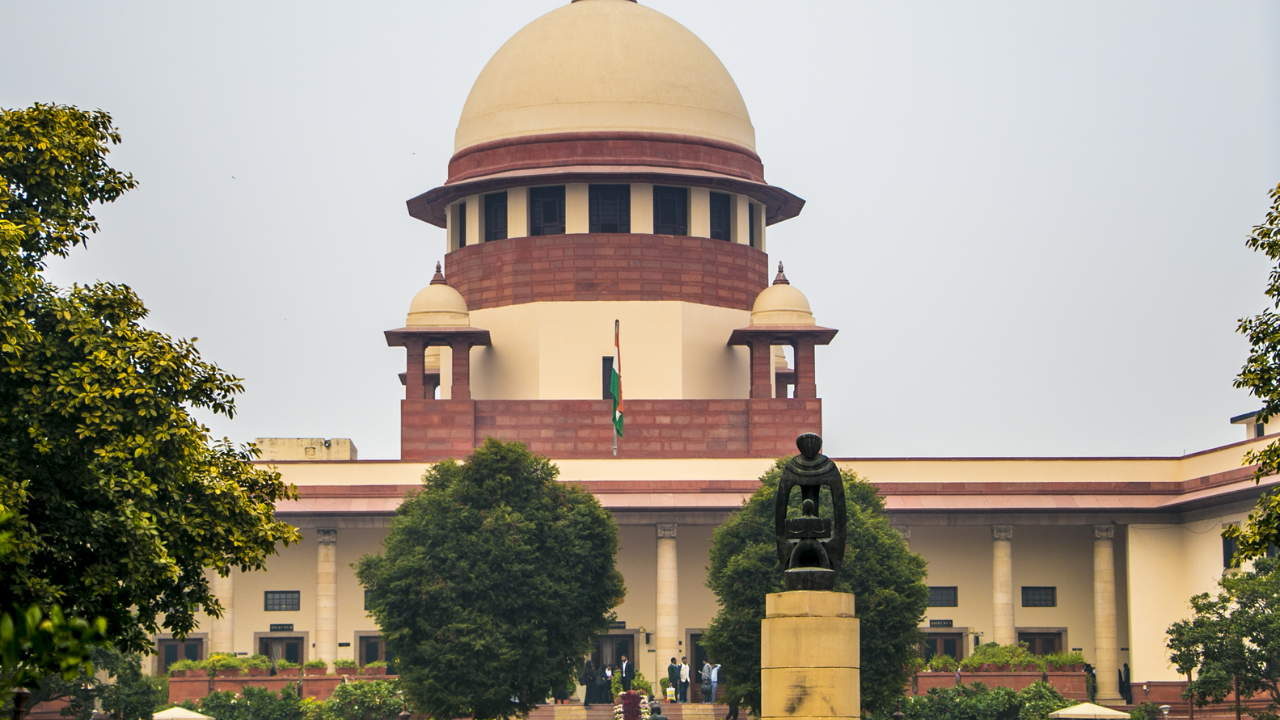
The Supreme Court of India dismissed a plea seeking a ban or title change for the film *Yadav Ji ki Love Story*, ruling that the name does not defame the Yadav community. A bench led by Justice B.V. Nagarathna rejected the petitioner's claim, stating that the title lacked any negative connotations or adjectives that could harm the community's image. The court emphasized that the film's title was neutral and did not impose offensive stereotypes against the Yadav community.
The case drew inspiration from a previous ruling involving *Ghooskhor Pandat*, where the court had asked for a title change due to its negative connotations. However, in this instance, the bench distinguished *Yadav Ji ki Love Story* as a neutral title without any derogatory implications. The court also dismissed concerns raised by the petitioner about the film's portrayal of women and inter-community marriages, deeming them unrelated to the title's impact on the Yadav community.
The dismissal highlights the court's stance on balancing free expression with community sensitivities. While it acknowledged the importance of protecting communities from harmful stereotypes, it found no basis for restrictions in this particular case. The ruling underscores the legal challenges around censorship and how creative works are perceived by different groups. This decision sets a precedent for future cases involving similar disputes over film titles and their impact on communities.
For readers interested in global news, this case sheds light on India's evolving legal landscape regarding freedom of expression and community rights. It reflects the delicate balance courts must strike between protecting vulnerable groups from defamation and safeguarding artistic and creative freedoms. The outcome underscores the importance of context and nuance in such disputes, ensuring that restrictions are imposed only when truly warranted.
This matter also highlights the broader cultural and social dynamics at play in India's diverse society. As films often serve as a mirror to societal realities and beliefs, their titles can carry significant weight. However, the court's decision reinforces the principle that creative works should be evaluated based on their content rather than speculative interpretations of their titles. This ruling is expected to influence future cases involving similar challenges to film
Verticals
worldasia
Originally published on Times of India on 2/26/2026